How to Apologize in Spanish: Essential Phrases for Couples
Learn to say sorry in Spanish with heartfelt apology phrases. Master Spanish expressions for forgiveness and making amends with your partner.
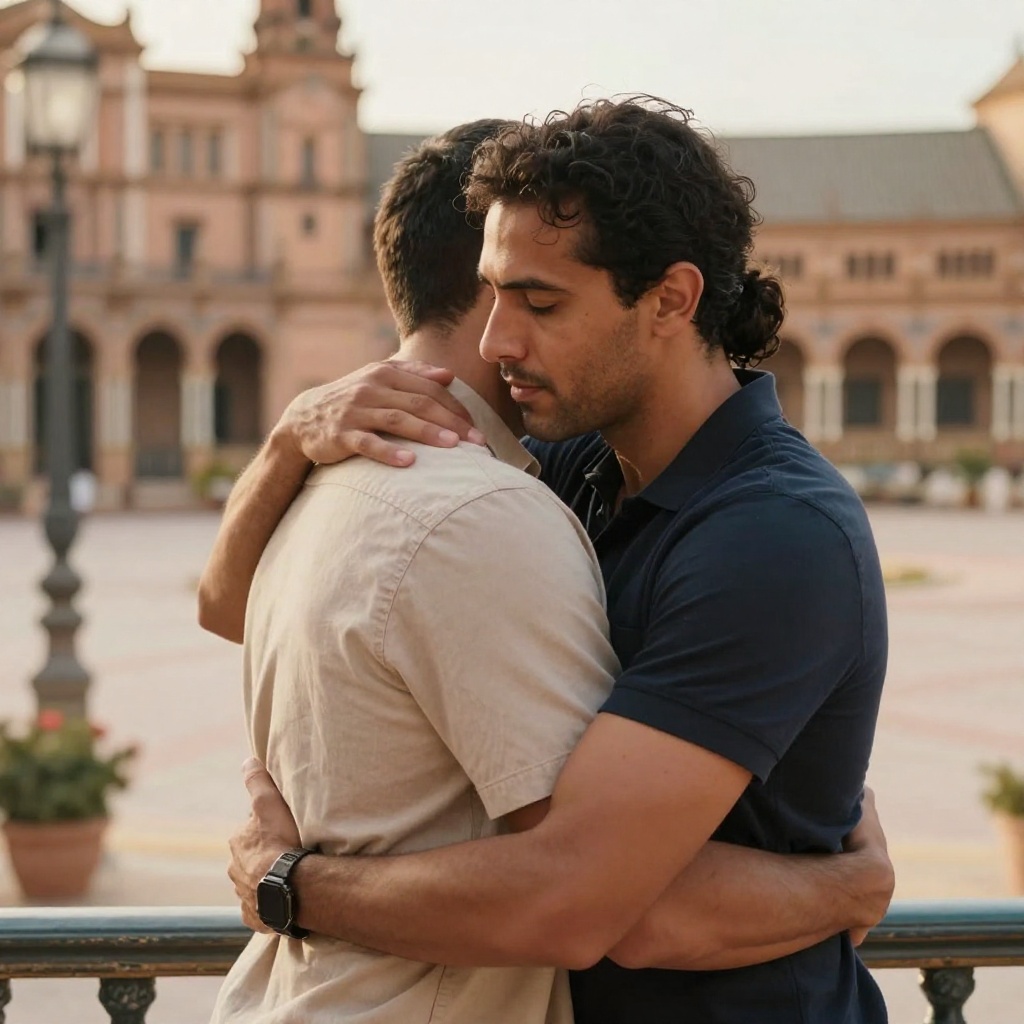
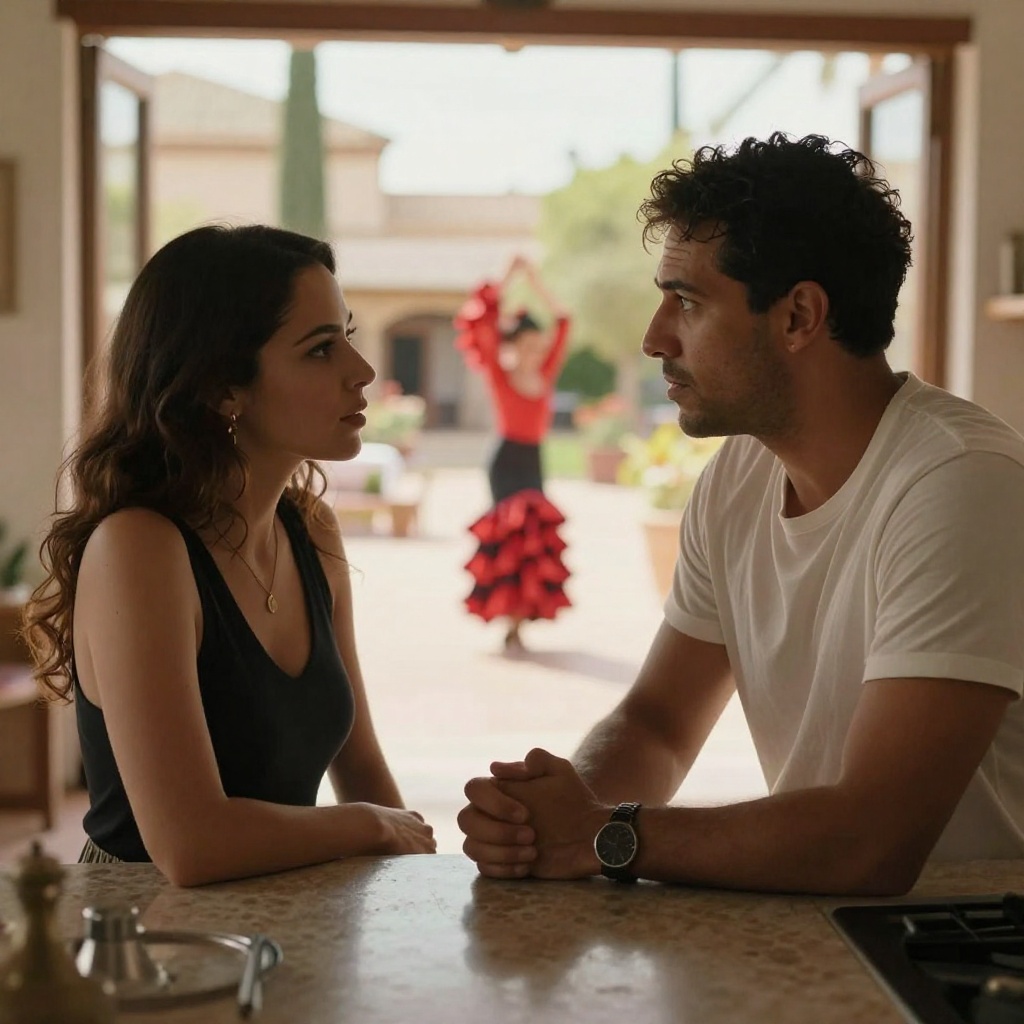
Every relationship has moments when an apology is needed. Whether it's a small misunderstanding or a bigger issue, knowing how to say sorry sincerely in Spanish can strengthen your relationship and show your partner you truly care.
Essential Phrases
These phrases cover the full arc of a sincere apology — from the first "I'm sorry" to taking responsibility and promising to do better:
| Spanish | English | Pronunciation |
|---|---|---|
| Lo siento | I'm sorry | loh see-EN-toh |
| Perdóname | Forgive me | per-DOH-nah-meh |
| Es mi culpa | It's my fault | es mee KOOL-pah |
| Lo siento mucho | I'm so sorry | loh see-EN-toh MOO-choh |
| No volverá a pasar | It won't happen again | noh vol-veh-RAH ah pah-SAR |
| Entiendo cómo te sientes | I understand how you feel | en-tee-EN-doh KOH-moh teh see-EN-tehs |
Lo siento is the most common apology, but perdóname (forgive me) carries more emotional weight — use it when the situation calls for genuine repair, not just a casual sorry.
Cultural Tip
In Spanish culture, sincere apologies are valued highly. Taking time to explain your feelings and showing genuine remorse goes a long way in mending relationships.
More Useful Expressions
| Spanish | English | Pronunciation |
|---|---|---|
| Quiero compensarte | I want to make it up to you | kee-EH-roh kom-pen-SAR-teh |
| Perdón | Sorry (casual) | per-DOHN |
| Cometí un error | I made a mistake | koh-meh-TEE oon eh-ROHR |
| No era mi intención herirte | I didn't mean to hurt you | noh EH-rah mee een-ten-SYOHN eh-REER-teh |
| ¿Puedes perdonarme? | Can you forgive me? | PWEH-dehs per-doh-NAR-meh |
Pronunciation: es mee KOOL-pah
"Lo siento mucho, es mi culpa."
Additional Phrases
| Spanish | English | Pronunciation |
|---|---|---|
| Quiero compensarte | I want to make it up to you | kee-EH-roh kom-pen-SAR-teh |
| Perdón | Sorry | per-DOHN |
| Cometí un error | I made a mistake | koh-meh-TEE oon eh-ROHR |
Tips for Using These Phrases
- Be sincere - Your tone matters as much as your words
- Make eye contact - Shows you mean what you're saying
- Don't make excuses - Own your mistake completely
- Follow through - Your actions after apologizing matter most
- Give space if needed - Sometimes your partner needs time
Practice Makes Perfect
Learning to apologize in your partner's language shows dedication and care. Even if your pronunciation isn't perfect, the effort itself demonstrates your commitment to the relationship.
Related Articles
Ready to learn together?
Speak their language, touch their heart. Fun games, voice practice & goals made for two.
Start Learning for $0.00 →✨ Try free — no credit card needed
Frequently Asked Questions
How can my partner and I practice apologizing in Spanish together?
Role-play common scenarios where an apology might be needed, such as being late or forgetting something important. Take turns being the person who apologizes and the person who receives the apology, focusing on using the correct phrases and tone. Discuss how each apology made you feel.
What are some cultural differences to keep in mind when apologizing in Spanish?
In some Spanish-speaking cultures, a more formal apology might be expected, especially when addressing elders or people in positions of authority. A simple 'Lo siento' might not be enough; a more elaborate explanation and expression of regret might be necessary. Pay attention to nonverbal cues.
How do I express that I need time to process an apology in Spanish?
You can say "Necesito tiempo para pensar en esto" (I need time to think about this) or "Necesito un poco de espacio para procesar esto" (I need some space to process this). It's important to communicate your needs clearly and respectfully to avoid misunderstandings.
What's the difference between 'Lo siento' and 'Perdón'?
'Lo siento' generally expresses sympathy or regret, similar to 'I'm sorry' in English. 'Perdón' is used more specifically when asking for forgiveness or excusing yourself, like 'excuse me' or 'pardon me.' The context determines which phrase is more appropriate.
How do I ask my partner what I can do to make things right after apologizing in Spanish?
You can ask "¿Qué puedo hacer para arreglar las cosas?" (What can I do to fix things?) or "¿Cómo puedo compensarte?" (How can I make it up to you?). Showing a willingness to take action and make amends is crucial for reconciliation.