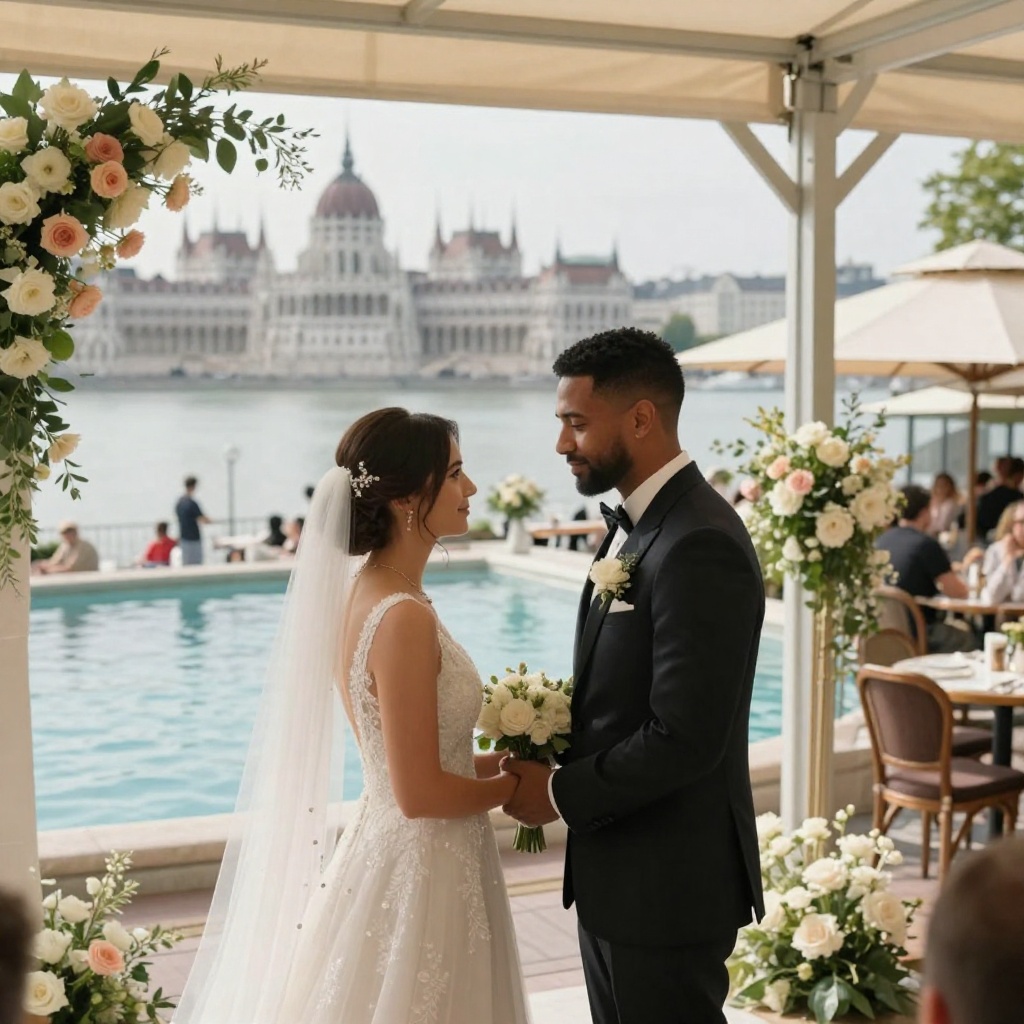
Hungarian Daily Conversations for Couples
Master everyday Hungarian conversations with your partner. From morning routines to bedtime, learn essential phrases for daily communication.
Living with a Hungarian partner gives you countless opportunities to practice this unique and beautiful language. From your first morning coffee to your goodnight kiss, this guide covers all the essential phrases for daily life together.
Start the Day Right
Phrase to Learn
Jó reggelt, édesem
Good morning, sweetheart
[ yoh REG-gelt, AY-de-shem ]
The sweetest way to start each day with your Hungarian partner.
Morning Greetings
Pronunciation: HO-DY AH-lood-tahl?
"Hogy aludtál, édesem?"
Pronunciation: YOHL AH-lood-tahm
"Nagyon jól aludtam, köszönöm."
Pronunciation: SEEP AHL-mom volt
"Szép álmom volt, meséljek róla?"
Pronunciation: KEERS KAH-VEET?
"Kérsz kávét vagy teát?"
Hungarian Morning Routine
Hungarians often start the day with strong espresso or a traditional lungo. Breakfast might include fresh bread with butter and jam, cold cuts, or túró (curd cheese). Morning coffee is a cherished ritual in Hungarian households.
Breakfast Time
Pronunciation: MIT SE-ret-NEEL REG-ge-li-re?
"Éhes vagyok, mit szeretnél reggelire?"
Pronunciation: AY-hesh VA-dyok
"Nagyon éhes vagyok, mikor eszünk?"
Pronunciation: KAY-see-tek NE-ked REG-ge-lit
"Nyugi, készítek neked reggelit!"
| Hungarian | Pronunciation | English |
|---|---|---|
| Kenyér | KE-nyayr | Bread |
| Vaj | vawj | Butter |
| Lekvár | LEK-var | Jam |
| Tojás | TO-yash | Eggs |
| Sajt | shawjt | Cheese |
| Kávé | KA-vay | Coffee |
| Tea | TE-a | Tea |
Leaving for Work
Pronunciation: MEN-nem kell DOL-goz-ni
"Mennem kell dolgozni, szép napot neked is!"
Pronunciation: MI-kor EERS HAH-zah?
"Mikor érsz haza? Addigra megcsinálom a vacsorát."
Pronunciation: HAHT KÖ-rül EE-rek HAH-zah
"Hat körül érek haza, várj engem!"
Pronunciation: SEEP NAH-pot!
"Viszlát, szép napot neked is!"
Pronunciation: HI-AH-nyoz-ni FOGS
"Hiányozni fogsz egész nap."
During the Day - Texting
Pronunciation: HO-DY MEJ ah NAH-pod?
"Szia! Hogy megy a napod eddig?"
Pronunciation: RAHD GON-do-lok
"Csak rád gondolok, remélem, jól vagy!"
Pronunciation: AH-lig VAH-rom, HO-DY LAHSH-shah-lahk
"Alig várom, hogy lássalak ma este."
Pronunciation: MIT SE-ret-NEEL VAH-cho-rah-rah?
"Mit szeretnél vacsorára? Rendeljünk valamit?"
Hungarian Work Culture
Hungarians typically work 8-hour days and value their personal time. Lunch is traditionally the main meal, often eaten at workplace cafeterias. After work, many enjoy meeting friends at a local café or going for walks along the Danube.
Coming Home
Pronunciation: IT-thon VA-dyok!
"Szia! Itthon vagyok, hol vagy?"
Pronunciation: MI-yen volt a MUN-ka-ban?
"Szia, kincsem! Milyen volt a munkában?"
Pronunciation: FA-ras-toh volt
"Igen, nagyon fárasztó volt a napom."
Pronunciation: DYE-re I-de, awdj edj PU-sit
"Szia! Gyere ide, adj egy puszit!"
Evening Routine
The transition from work to home is a special time in Hungarian households. After the workday ends, Hungarians value spending quality time with their loved ones, often centered around a leisurely dinner and meaningful conversation. Understanding the typical evening rhythm helps you connect more naturally with your Hungarian partner.
Hungarian evenings often begin with a period of unwinding after work. Many couples share a cup of tea or coffee while discussing their day, creating a buffer between professional and personal time. This transition ritual allows both partners to shift focus from work concerns to relationship connection.
Pronunciation: FAH-raht VAH-dy?
"Fáradt vagy? Ülj le, pihend ki magad."
Pronunciation: SHE-gee-tek a VA-cho-ra-val
"Ne aggódj, segítek a vacsorával."
Dinner Time
Pronunciation: KEES ah VAH-cho-rah
"Gyere, kész a vacsora!"
Pronunciation: yoh AYT-va-dyat!
"Kész vagyunk, jó étvágyat!"
Pronunciation: NA-dyon FI-nom!
"Ó, ez nagyon finom lett, gratulálok!"
Pronunciation: EL-mo-sho-ga-tok
"Ne aggódj, elmosogatok este."
Relaxing Together
Pronunciation: mit CHI-NAHL-yunk ESH-te?
"Mit csináljunk este? Van valami terved?"
Pronunciation: NAYZ-zuunk meg edj FIL-met?
"Pihenjünk, nézzünk meg egy filmet?"
Pronunciation: DYE-re, ÜLJ le MEL-laym
"Gyere, ülj le mellém a kanapéra."
Pronunciation: chak BE-sayl-ges-suunk
"Nem kell semmi extra, csak beszélgessünk."
Hungarian Evening Traditions
Hungarian couples often enjoy evenings at home with good food and conversation. Popular activities include watching TV together, playing board games, or enjoying a glass of Hungarian wine. Sunday lunch with extended family is a treasured tradition.
Household Tasks
Pronunciation: TOODS SHE-gee-te-ni?
"Kérlek, tudsz segíteni a táskámmal?"
Pronunciation: TA-ka-ree-ta-nom kell
"Sajnos takarítanom kell ma."
Pronunciation: EL-me-dyek BE-va-sha-rol-ni
"Elmegyek bevásárolni, kérsz valamit?"
Pronunciation: SOOK-shay-guunk van...
"Szükségünk van tejre és kenyérre."
| Hungarian | Pronunciation | English |
|---|---|---|
| Mosni | MOSH-ni | To do laundry |
| Porszívózni | POR-see-vohz-ni | To vacuum |
| Főzni | FUHZ-ni | To cook |
| Mosogatni | MO-sho-gat-ni | To wash dishes |
| Takarítani | TA-ka-ree-ta-ni | To clean |
Weekend Plans
Pronunciation: mit CHI-NAHL-yunk a HAYT-vay-gayn?
"Mit csináljunk a hétvégén? Van valami ötleted?"
Pronunciation: MEN-yuunk el VA-la-ho-va?
"Menjünk el valahová, együnk valami finomat?"
Pronunciation: MEG-la-to-gat-hat-nank...
"Meglátogathatnánk a nagyszülőket?"
Pronunciation: RE-mek UHT-let!
"Igen, ez remek ötlet!"
Bedtime
Pronunciation: FAH-raht VAH-dyok
"Nagyon fáradt vagyok ma este."
Pronunciation: MEN-yuunk A-lud-ni?
"Késő van, menjünk aludni?"
Pronunciation: yoh AY-sa-kat, AY-de-shem
"Jó éjszakát, édesem, aludj jól!"
Pronunciation: A-ludj yohl
"Aludj jól, holnap találkozunk!"
Pronunciation: SEEP AHL-moh-kaht
"Szép álmokat kívánok neked!"
Quick Reference: Daily Phrases
Hungarian daily communication follows predictable patterns that vary by time of day and situation. Understanding these patterns helps you navigate conversations more naturally and shows cultural awareness. The phrases below represent the most commonly used expressions Hungarian couples exchange throughout their day.
One key aspect of Hungarian daily phrases is their formality level. With your partner, you'll use the informal second person "te" (you) rather than the formal "maga" or "ön." This creates a warm, intimate tone that distinguishes romantic relationships from professional interactions. Notice how most phrases include terms of endearment like "édesem" (sweetheart) or "drágám" (my dear).
Pronunciation: HO-DY VAH-dy, DRAH-gahm?
"Hogy vagy, drágám? Jól sikerült a megbeszélés?"
Hungarian couples often use diminutives and affectionate suffixes to soften their speech. Words like "kicsim" (my little one) or "babám" (my baby) frequently punctuate everyday conversations, adding warmth without sounding overly formal. This linguistic habit reflects Hungarian culture's emphasis on emotional expressiveness within close relationships.
Pronunciation: VARJ edj PER-tset
"Várj egy percet, már majdnem készen vagyok."
Morning
| Hungarian | English |
|---|---|
| Jó reggelt | Good morning |
| Hogy aludtál? | How did you sleep? |
| Kérsz kávét? | Want coffee? |
| Szép napot | Have a nice day |
During the Day
| Hungarian | English |
|---|---|
| Rád gondolok | Thinking of you |
| Hogy megy a napod? | How's your day? |
| Alig várlak | Can't wait to see you |
| Mikor érsz haza? | When will you be home? |
Evening
| Hungarian | English |
|---|---|
| Itthon vagyok | I'm home |
| Milyen volt? | How was it? |
| Jó étvágyat | Enjoy your meal |
| Mit csináljunk? | What shall we do? |
Night
| Hungarian | English |
|---|---|
| Fáradt vagyok | I'm tired |
| Jó éjszakát | Good night |
| Aludj jól | Sleep well |
| Szeretlek | I love you |
Ready to learn together?
Speak their language, touch their heart. Fun games, voice practice & goals made for two.
Start Learning for $0.00 →✨ Try free — no credit card needed
Frequently Asked Questions
How can we make practicing daily Hungarian conversations more fun and engaging?
Turn it into a game! Use flashcards with pictures of everyday objects and practice naming them in Hungarian. Set a timer for five minutes and see how many phrases you can use correctly. Watch Hungarian TV shows or movies together and try to identify the daily phrases being used. Couples can create a reward system for meeting their daily practice goals.
What are some polite ways to ask my partner to repeat something if I don't understand them in Hungarian?
You can say 'Tudnál még egyszer megismételni?' (Could you repeat that again?) or 'Nem értettem, kérlek, mondd lassabban' (I didn't understand, please say it slower). It's also helpful to say 'Sajnálom, még tanulok' (I'm sorry, I'm still learning) to show that you're making an effort. Maintain a positive and patient attitude. Couples can practice saying these phrases in different tones of voice.
Besides the phrases listed, what are some other useful questions to ask my partner in Hungarian every day?
Try asking 'Hogy aludtál?' (How did you sleep?), 'Mi a terved mára?' (What are your plans for today?), or 'Van valami, amiben segíthetek?' (Is there anything I can help you with?). These questions show that you care about their well-being and are interested in their day. You can also ask 'Mi volt a legjobb dolog a napodban?' (What was the best thing about your day?).
How can we handle disagreements or misunderstandings that arise during daily conversations in Hungarian?
Stay calm and avoid raising your voice. Use simple language and try to explain your point of view clearly. If you're struggling to express yourself, switch back to English temporarily to clarify the issue. Remember to listen actively and try to understand your partner's perspective. Couples can establish ground rules for handling disagreements in a constructive way.
Are there any cultural differences to be aware of when having daily conversations with my Hungarian partner?
Hungarians tend to be more direct in their communication style than some other cultures. Don't be surprised if they express their opinions frankly. It's also important to be aware of the level of formality in different situations. Use formal greetings with older relatives or people in positions of authority. You and your partner can discuss these cultural nuances to avoid misunderstandings.