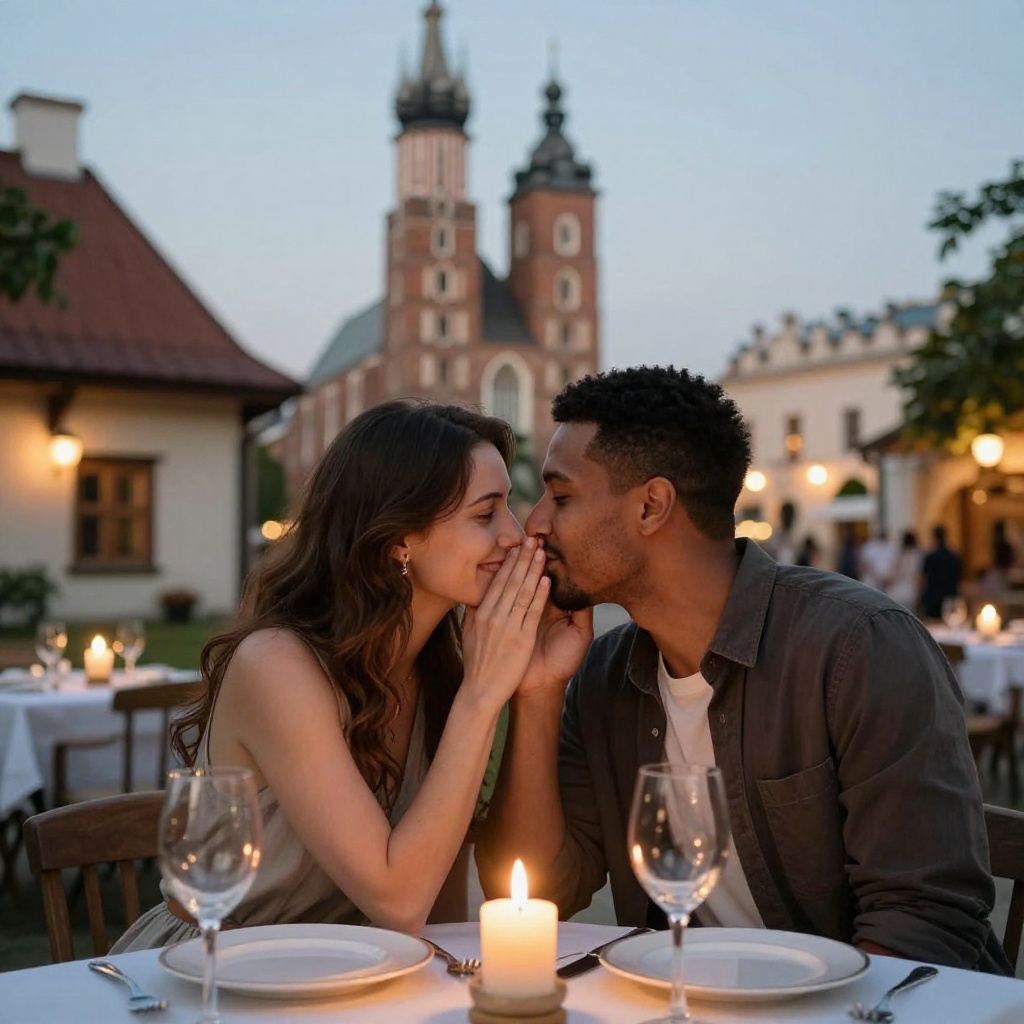
50+ Polish Pet Names and Terms of Endearment to Melt Your Partner's Heart
Discover 50+ romantic Polish pet names and terms of endearment. Perfect for couples learning together with pronunciation guides and cultural context.
Nothing makes your partner's heart flutter quite like hearing sweet words in their native language. Polish terms of endearment are incredibly romantic and often poetic, drawing inspiration from nature, food, and cherished concepts. Whether you're just starting your Polish learning journey together or looking to add more affection to your daily conversations, these pet names will deepen your connection and bring smiles to both your faces.
Phrase to Learn
Darling/Love
[ ko-HAH-nyeh ]
The most universal term of endearment - use it anytime, anywhere with your partner.
The Essential Sweethearts: Classic Polish Pet Names
These timeless terms of endearment form the foundation of romantic Polish conversation. Your partner will love hearing these sweet words throughout your day together!
Pronunciation: ko-HAH-nih/ko-HAH-nah
"Kochana, czy chcesz kawy?"
| Polish | English | Pronunciation | When to Use |
|---|---|---|---|
| Kochanie | Darling/Love | ko-HAH-nyeh | Anytime, universal term |
| Skarbie | Treasure | SKAR-bye-eh | Expressing deep value |
| Słoneczko | Little sun | SWOH-nehch-koh | Brightening their day |
| Misiu | Teddy bear | MEE-shoo | Cute, cuddly moments |
| Kotku | Kitten | KOT-koo | Playful affection |
| Moje serce | My heart | MOH-yeh SEHR-tseh | Deep emotional connection |
| Moja miłość | My love | MOH-yah MEE-wohsh | Profound romantic love |
| Słodziak | Sweetie | SWOH-djahk | When they're being adorable |
| Aniołku | Little angel | AH-nyoow-koo | Praising their kindness |
| Mój świat | My world | mooy shvee-aht | Expressing they're everything |
Gender Agreement Matters
Polish pet names often change based on gender. Use masculine forms (ending in -y/-i) for men and feminine forms (ending in -a) for women. When in doubt, kochanie works for everyone!
Nature-Inspired Sweetness: Flowers, Stars, and Precious Things
Polish culture deeply appreciates nature, and this reflects beautifully in their romantic expressions. These poetic pet names will make your partner feel truly special.
Drawing inspiration from the natural world, these terms transform everyday elements into expressions of love. Just like learning how to say I love you in Polish, mastering these nature-based endearments adds poetry to your relationship.
| Polish | English | Pronunciation | Inspiration |
|---|---|---|---|
| Kwiatku | Little flower | KFEE-aht-koo | Delicate beauty |
| Gwiazdko | Little star | GVYAHZ-dkoh | They light up your life |
| Różyczko | Little rose | ROO-zhih-chkoh | Classic romance |
| Słoneczko | Little sun | SWOH-nehch-koh | Warmth and brightness |
| Księżyczku | Little moon | KSHEN-zhih-chkoo | Gentle nighttime love |
| Orzeszku | Little nut | OH-zhehsh-koo | Cute and small |
| Listku | Little leaf | LEE-stkoo | Natural sweetness |
| Motylku | Butterfly | MOH-tihl-koo | Graceful beauty |
| Wiatrze | Wind | VYAH-tzheh | When they're energetic |
| Deszczu | Rain | DEH-shchoo | Soothing presence |
Pronunciation: ROO-zhih-chkoh
"Różyczko moja, jesteś taka piękna."
Food-Related Cuteness: Sweet and Savory Nicknames
Food plays a central role in Polish culture, and many endearing terms come from the kitchen. These delicious pet names are perfect for couples who love cooking together!
| Polish | English | Pronunciation | Sweet Context |
|---|---|---|---|
| Ciasteczko | Cookie | chyah-STEH-chkoh | Sweet and irresistible |
| Babeczko | Cupcake | bah-BEH-chkoh | Cute and sweet |
| Cukiereczku | Little candy | tsoo-KYEH-reh-chkoo | Addictively sweet |
| Pierogu | Dumpling | pyeh-ROH-goo | Comforting and satisfying |
| Lody | Ice cream | LOH-dih | Cool and refreshing |
| Miodku | Honey | MYOH-dkoo | Classic sweetness |
| Czekoladko | Chocolate | cheh-koh-LAHD-koh | Rich and indulgent |
| Kawusiu | Coffee | kah-VOO-shoo | Essential and energizing |
| Herbatko | Tea | hehr-BAHT-koh | Comforting warmth |
| Bulka | Roll | BOOL-kah | Soft and comforting |
Food is Love
In Polish culture, sharing food is deeply romantic. Using food-based pet names shows you want to nurture and care for your partner, making them feel truly loved.
Animal-Inspired Affection: Furry and Feathered Friends
Polish pet names often borrow from the animal kingdom, creating adorable terms that capture different aspects of personality and appearance. These work wonderfully during cozy date nights or casual everyday moments.
| Polish | English | Pronunciation | Animal Inspiration |
|---|---|---|---|
| Kotku | Kitten | KOT-koo | Playful and graceful |
| Piesku | Puppy | PYEHS-koo | Loyal and loving |
| Misiu | Teddy bear | MEE-shoo | Cuddly and comforting |
| Rybko | Fish | RIH-bkoh | Calm and graceful |
| Ptaszku | Bird | PTAH-shkoo | Free-spirited |
| Zajączku | Bunny | ZAH-yon-chkoo | Cute and quick |
| Sówko | Owl | SOOF-koh | Wise and watchful |
| Liski | Fox | LEE-shkee | Clever and attractive |
| Żabko | Frog | ZHAHB-koh | Cute and energetic |
| Słonko | Elephant | SWOHN-koh | Big and gentle |
Pronunciation: ZAH-yon-chkoo
"Zajączku, skoczmy do kina."
Size-Based Sweetness: Diminutive Delights
Polish excels at creating diminutive forms that add layers of affection. These tiny versions of regular words make everything sound more endearing and loving.
| Polish | English | Pronunciation | Original Word |
|---|---|---|---|
| Maleństwo | Tiny one | mah-LEN-stwoh | Small |
| Dziecinku | Child | djeh-CHIN-koo | Child |
| Chmurko | Little cloud | HMOOR-koh | Cloud |
| Płomyczku | Little flame | PWOH-mih-chkoo | Flame |
| Kropelek | Droplet | KROH-peh-lehk | Drop |
| Iskierko | Spark | EE-skyehr-koh | Spark |
| Grzybek | Mushroom | GZHih-bek | Mushroom |
| Kamyczek | Pebble | KAH-mih-chek | Stone |
| Listeczek | Leaf | LEE-steh-chehk | Leaf |
| Słówko | Word | SWOOF-koh | Word |
How to Use Polish Pet Names Naturally
Learning these terms is just the beginning - using them naturally takes practice and cultural understanding. Here are some tips for incorporating these sweet words into your daily Polish conversations:
Start with universal terms: Begin with kochanie and skarbie as they work in almost any situation. Once you're comfortable, branch out to more specific pet names that match your partner's personality.
Pay attention to gender: Many Polish pet names have masculine and feminine forms. If your partner is male, you might call him misiu (teddy bear), while for a female partner, you'd use misia.
Use diminutives appropriately: Polish speakers love creating affectionate diminutives by adding suffixes like -ku, -eczko, or -uś. This transforms ordinary words into terms of endearment.
Match the mood: Use playful names like kotku (kitten) during light moments, and more profound ones like moje serce (my heart) during intimate conversations.
Timing is Everything
Polish couples often use pet names most frequently in private moments or when greeting each other. Using them too formally or with others present might feel unnatural. Start with private moments and let your comfort grow naturally.
When you're expressing emotions in Polish, combining these pet names with heartfelt phrases creates incredibly romantic moments that will strengthen your bond.
Ready to make your partner's heart melt with these beautiful Polish terms of endearment? Practice a few favorites together, and don't worry about perfect pronunciation - the effort and love behind your words matter far more than perfect grammar. These sweet expressions will become treasured parts of your daily conversations, adding Polish romance to every interaction.
App Store preorder
Become a Love Languages Founding Couple
Preorder Love Languages. Founding couples will get something special when the app launches, with one week to try it out when you start.
Preorder on the App StorePreorders are open now.
Frequently Asked Questions
Are Polish pet names only for romantic partners, or can I use them for family?
While many of these terms are romantic, some can be adapted for family members. For example, "Skarbie" (treasure) or "Kochanie" (darling) can be used with close family, especially children. However, names like "Żabciu" (little frog) are generally reserved for romantic partners. Consider asking your partner which names they use with their family to gauge appropriateness. Practicing with your partner can help you get comfortable using these terms naturally.
How do I pronounce the Polish letter 'ś' when saying these pet names?
The Polish letter 'ś' sounds like 'sh' but softer, similar to the 's' in 'sure'. Practice by saying 'środa' (Wednesday) a few times. Then, try incorporating it into pet names like 'Słoneczko' (sun). You and your partner can record each other saying the words and provide feedback, focusing on getting that soft 'sh' sound correct.
What's the difference between 'Kochanie' and 'Ukochanie'?
'Kochanie' simply means 'darling' or 'sweetheart' and is a very common term of endearment. 'Ukochanie' is a more intense version, meaning 'beloved' or 'most loved one'. It implies a deeper level of affection. When learning together, you can quiz each other on the intensity of different terms to better understand their nuances.
Are there any Polish pet names that might be considered old-fashioned or outdated?
Some older terms like 'serduszko' (little heart) might sound a bit old-fashioned, though still sweet. However, context matters, and older generations might appreciate them. Newer terms, especially those borrowed from English, are less common. To learn which terms are common now, couples could ask Polish-speaking friends or family members for their favorite pet names.
If my partner doesn't like a particular pet name, how should I respond?
Respect their preferences! If a pet name makes them uncomfortable, apologize and avoid using it. Open communication is key. Ask them what kind of terms of endearment they prefer and focus on those. Learning each other's preferences together as a couple will help you both feel loved and respected.