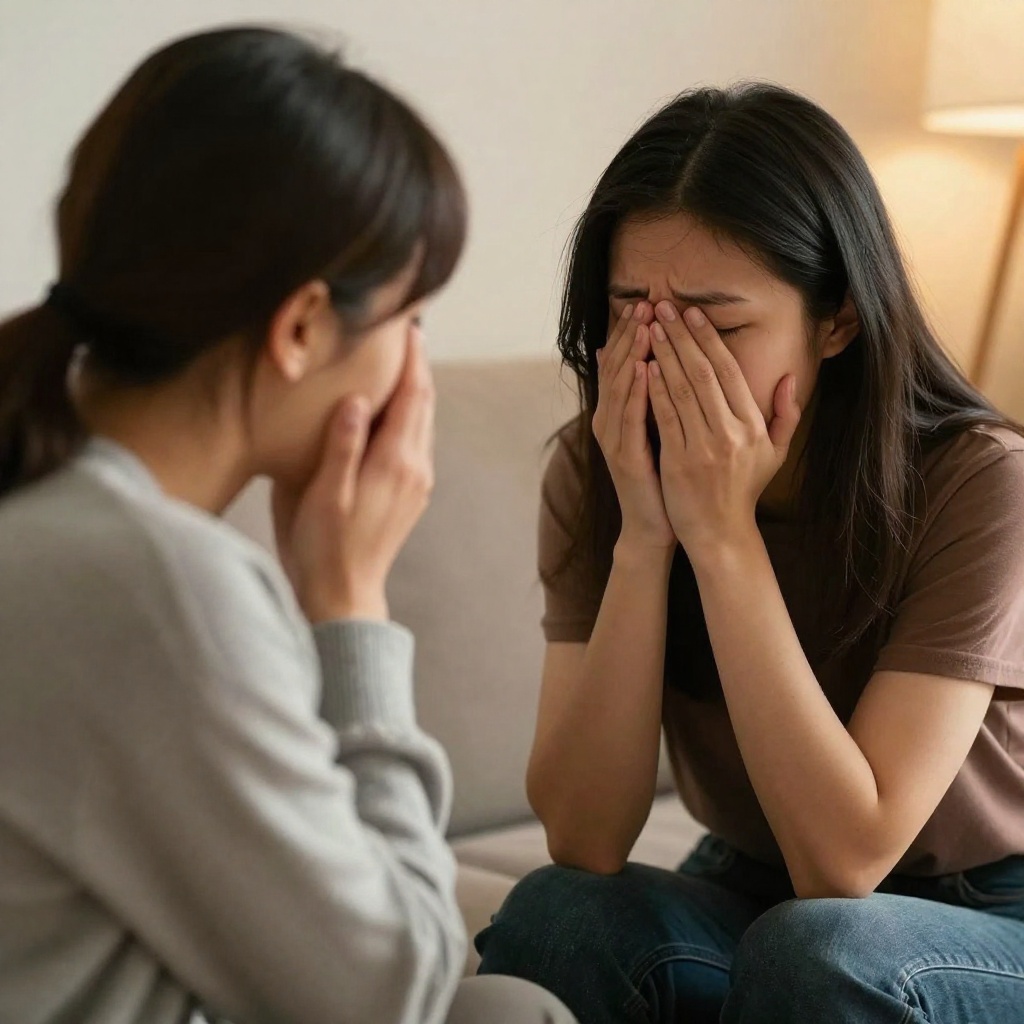
Polish Apologies: How to Say Sorry
Master the art of apologizing in Polish with essential phrases, cultural context, and formal vs informal expressions for every relationship situation.
Every relationship has moments when we need to apologize, and knowing how to say sorry in your partner's native language can make all the difference. Polish offers various ways to express remorse, from casual "oops" moments to heartfelt apologies that can mend hearts.
Phrase to Learn
I'm sorry / I apologize
[ psheh-PRA-sham ]
The most common and versatile way to apologize in Polish.
The Universal Apology: Przepraszam
Przepraszam (I'm sorry) is your go-to apology in Polish. It works in almost every situation, from bumping into someone on the street to apologizing to your partner for being late. This word comes from the verb przepraszać (to apologize), and it's both formal enough for strangers and warm enough for loved ones.
Pronunciation: psheh-PRA-sham cheh
"Przepraszam cię za spóźnienie."
When apologizing to someone specific, add cię (you) to make it przepraszam cię (I'm sorry to you). This personal touch shows you're directing your apology specifically to your partner.
Quick Apologies for Minor Mistakes
| Polish | English | When to Use |
|---|---|---|
| Przepraszam | I'm sorry | Safe default for almost any situation |
| Przepraszam cię | I'm sorry to you specifically | Direct and personal with your partner |
| Ups, przepraszam | Oops, sorry | Small slip or accidental mistake |
| Oj | Oh / oops | Quick reaction before a fuller apology |
| Przepraszam bardzo | I'm very sorry | More emphatic and polite |
Borrowed Words
Young Polish speakers often use sorki or sory in casual situations. These borrowed words show how Polish adapts modern expressions, especially among couples who text frequently.
Heartfelt Apologies for Serious Matters
When you've really messed up and need to make things right with your Polish partner, these phrases carry more emotional weight:
Pronunciation: BAR-dzo mee PSHIK-ro
"Bardzo mi przykro, że cię skrzywdziłem."
Deep Apologies That Show Remorse
- Żałuję tego (zhah-WOO-yeh TEH-go) - I regret this
- To moja wina (to MO-ya VEE-nah) - It's my fault
- Popełniłem błąd (po-peuw-NEE-wem bwahd) - I made a mistake
- Nie powinienem był (nyeh po-VEE-nyeh-nem biw) - I shouldn't have (masculine)
- Nie powinnam była (nyeh po-VEE-nam BI-wah) - I shouldn't have (feminine)
The Verb "To Apologize" - Przepraszać
Understanding how to conjugate przepraszać (to apologize) helps you apologize in different contexts:
Przepraszać
to apologize
| I | przepraszam | I apologize |
| You (informal) | przepraszasz | you apologize |
| He/She | przeprasza | he/she apologizes |
| We | przepraszamy | we apologize |
| You (plural/formal) | przepraszacie | you apologize |
| They | przepraszają | they apologize |
Asking for Forgiveness
Sometimes an apology needs to go deeper. Here's how to ask for forgiveness in Polish:
Wybacz mi (VIH-bach mee) - Forgive me (informal) Proszę mi wybaczyć (PRO-sheh mee vih-BA-chich) - Please forgive me (formal) Czy możesz mi wybaczyć? (chi MO-zhesh mee vih-BA-chich) - Can you forgive me?
Pronunciation: VIH-bach mee ko-HA-nyeh
"Wybacz mi, kochanie. Naprawdę żałuję."
Accepting Apologies in Polish
Knowing how to graciously accept an apology is just as important:
- Nic się nie stało (neets sheh nyeh STA-wo) - Nothing happened / It's okay
- W porządku (f po-ZHOND-koo) - It's alright
- Nie ma sprawy (nyeh mah SPRA-vih) - No problem
- Już ci wybaczam (yoosh chee vih-BA-cham) - I already forgive you
- To nic takiego (to neets ta-KEH-go) - It's nothing
Cultural Context: The Polish Approach to Apologies
Polish Apology Culture
Poles tend to be quite direct about apologies. They appreciate sincerity over elaborate explanations. A simple przepraszam with genuine emotion often works better than lengthy justifications.
In Polish culture, taking responsibility is highly valued. Phrases like to moja wina (it's my fault) show maturity and are respected more than making excuses.
Apologizing for Specific Situations
While a general apology is useful, tailoring your words to the specific context shows that you understand why your partner might be upset. In Polish, the structure of an apology often involves using the preposition za (for) followed by the reason in the accusative case. This clarity helps de-escalate tension by acknowledging the exact nature of the mistake.
In the sections below, we will look at three frequent areas where apologies are necessary. First, we will cover the phrases needed for Being Late, a situation where Polish culture values a quick explanation. Next, we will discuss Forgetting Something Important, which requires acknowledging a lapse in memory. Finally, we will provide language for Hurting Someone’s Feelings, focusing on the emotional weight of your words and the need for a deeper connection.
Using these targeted phrases shows that you are paying attention to the details of your relationship. It moves the conversation from a general sense of regret to a specific acknowledgment of what went wrong. Whether you are dealing with a minor delay or a serious misunderstanding, choosing the right vocabulary demonstrates your commitment to clear communication.
Pronunciation: PO-voot
"Podaj mi jeden powód."
Being Late
- Przepraszam za spóźnienie (psheh-PRA-sham zah spoozh-NYEH-nyeh) - Sorry for being late
- Utknąłem w korku (oot-KNOW-wem f KOR-koo) - I got stuck in traffic
Forgetting Something Important
- Całkiem mi wyleciało z głowy (TSAW-kem mee vih-leh-CHA-wo z GWO-vih) - It completely slipped my mind
- Zapomniałem o tym (za-pom-NYA-wem o tim) - I forgot about it (masculine)
- Zapomniałam o tym (za-pom-NYA-wam o tim) - I forgot about it (feminine)
Hurting Someone's Feelings
- Nie chciałem cię ranić (nyeh HTSHA-wem cheh RA-neech) - I didn't want to hurt you (masculine)
- Nie chciałam cię skrzywdzić (nyeh HTSHA-wam cheh SHKSHIV-jeech) - I didn't want to hurt you (feminine)
Making It Right: Beyond Words
In Polish culture, actions often speak louder than words. Consider these gestures:
- Czy mogę to jakoś naprawić? (chi MO-geh to YA-kosh na-PRA-veech) - How can I make this right?
- Co mogę zrobić? (tso MO-geh ZRO-beech) - What can I do?
- Pozwól, że się zrewanżuję (POZ-vool zheh sheh zreh-van-ZHOO-yeh) - Let me make it up to you
Practice Scenario: A Complete Apology
Here's a short apology exchange you can actually rehearse together:
"Kochanie, przepraszam za spóźnienie. To moja wina. Chcę to naprawić."
"W porządku. Dziękuję, że powiedziałeś to wprost."
(Darling, I'm sorry for being late. It's my fault. I want to fix this. / It's okay. Thank you for saying it directly.)
Common Mistakes to Avoid
- Don't confuse przepraszam (I'm sorry) with proszę (please) - they look similar but have different meanings
- Remember gender agreement: przeprosił (he apologized) vs przeprosiła (she apologized)
- Sorki is very casual - save it for minor mistakes only
Ready to learn together?
Speak their language, touch their heart. Fun games, voice practice & goals made for two.
Start Learning for $0.00 →✨ Try free — no credit card needed
Frequently Asked Questions
When is it appropriate to use 'Przepraszam bardzo' versus just 'Przepraszam'?
'Przepraszam' is a general 'I'm sorry' for minor offenses. 'Przepraszam bardzo' (I'm very sorry) is used for more serious situations where you caused significant inconvenience or hurt. Gauge the severity of your mistake to choose the appropriate level of apology. Couples can discuss different scenarios to determine which apology is most fitting.
How do you say 'I didn't mean to hurt you' in Polish when apologizing to your partner?
You can say 'Nie chciałem/chciałam cię zranić' (I didn't mean to hurt you). 'Chciałem' is used by males, and 'chciałam' is used by females. It's important to express your intention to show remorse. Couples can practice expressing their feelings during apologies to improve communication.
What's the best way to ask for forgiveness in Polish after a serious argument?
You can say 'Proszę, wybacz mi' (Please, forgive me). It's a direct and sincere way to ask for forgiveness. You can also add 'Żałuję tego, co zrobiłem/zrobiłam' (I regret what I did), if applicable, to show genuine remorse. Couples can role-play apology scenarios to practice asking for forgiveness effectively.
How do you accept an apology gracefully in Polish?
You can say 'W porządku' (It's okay) or 'Rozumiem' (I understand). Showing that you accept their apology and are willing to move forward is important for maintaining a healthy relationship. Couples can discuss their preferred ways of receiving apologies to ensure mutual understanding.
What are some common mistakes to avoid when apologizing in Polish?
Avoid making excuses or blaming the other person. Focus on taking responsibility for your actions and expressing genuine remorse. A sincere apology is more effective than a defensive one. Couples can give each other feedback on their apology styles to improve their communication skills.