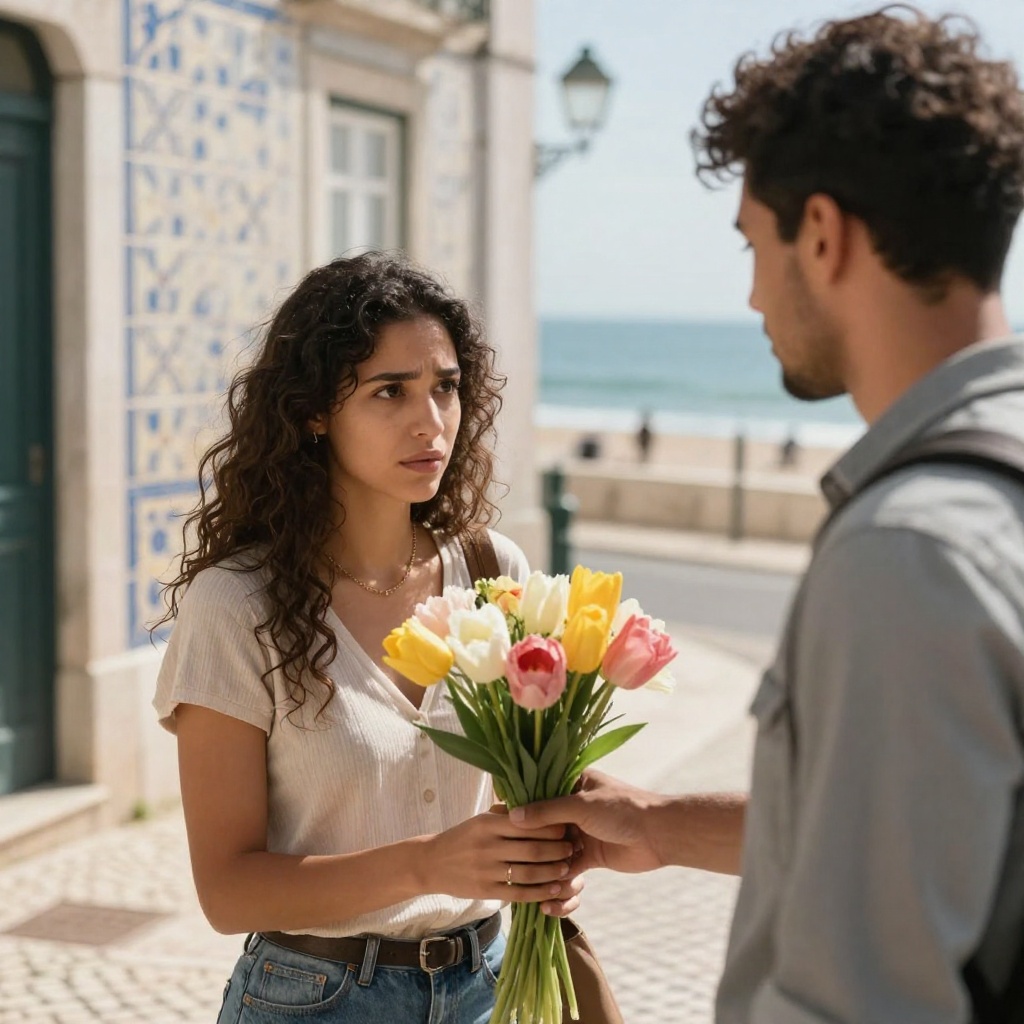
Portuguese Phrases for Meeting the In-Laws: Make a Great Impression
Learn essential Portuguese phrases for meeting your partner's family. From warm greetings to expressing gratitude, impress your Portuguese-speaking in-laws.
Meeting your partner’s Portuguese-speaking family can feel high-stakes, but you do not need perfect grammar to make a good impression. A few warm phrases, a respectful tone, and a willingness to listen will take you much further than trying to sound flawless.
Why Language Matters
In many Portuguese-speaking families, effort is noticed quickly. Even a short greeting in Portuguese signals that you respect their home, their language, and your partner’s background. That small gesture can set a friendly tone for the entire visit.
Start here: Muito prazer em conhecê-los. = Nice to meet you all.
Use this when you arrive, especially if several people are being introduced at once. If the room is smaller or more formal, you can also say Prazer em conhecê-lo to one person.
First Impressions
Your first message should be short and calm. Smile, make eye contact, say your name, and add one friendly line. That is enough to sound prepared without sounding rehearsed.
Pronunciation: moo-TOO prah-ZEHR
A natural self-introduction: Muito prazer, eu sou a Ana.
Greetings
Prazer em conhecê-los.
It’s a pleasure to meet you all.
A safe, polite line for a first family visit.
É uma honra conhecer a família do/da [nome do parceiro].
It’s an honor to meet [partner’s name]’s family.
Use this if you want a more formal, respectful tone.
[Nome do parceiro] me falou muito sobre vocês.
[Partner’s name] has told me a lot about you.
This sounds warm and makes the conversation feel less abrupt.
Expressing Gratitude
Thank people for something specific: the welcome, the meal, the invitation, or the time they spent with you. Specific gratitude feels more sincere than a generic thank you.
Muito obrigado / Muito obrigada por me receberem em sua casa.
Thank you very much for welcoming me into your home.
Use obrigado if you are male and obrigada if you are female.
Fiquei muito feliz com o convite.
I was very happy with the invitation.
Useful if you were invited for lunch, dinner, or a family event.
Está delicioso!
It’s delicious!
A simple compliment that works well at the table.
Obrigado/obrigada por tudo.
Thank you for everything.
A natural way to close a meal or visit.
Talking About Your Partner
This is where you can sound affectionate without overdoing it. Many families appreciate sincerity more than dramatic praise, so keep your phrases direct and believable.
Eu amo muito o/a seu/sua filho(a).
I love your son/daughter very much.
Best used only if the relationship is serious and the family setting feels open.
[Nome do parceiro] é uma pessoa maravilhosa.
[Partner’s name] is a wonderful person.
Warm, simple, and easy to say naturally.
Vocês criaram uma pessoa incrível.
You raised an incredible person.
A strong compliment to the parents, especially in a serious relationship.
Ele/ela me faz muito feliz.
He/she makes me very happy.
Shorter and more natural than a long speech.
Polite Conversation
Once the greetings are done, ask small questions and show interest in the people and the setting. Good family conversation is less about performing and more about being present.
Posso ajudar em alguma coisa?
Can I help with anything?
Great in the kitchen, at the table, or when people are preparing for a meal.
Pode me contar mais sobre [assunto]?
Can you tell me more about [topic]?
Works well for family stories, travel, food, or local traditions.
Que casa linda vocês têm!
What a beautiful home you have!
A safe compliment that usually lands well.
A família também é muito importante para mim.
Family is also very important to me.
Useful when you want to connect your values to theirs.
Discussing the Future
If the relationship is serious, you may want to say that respectfully. Keep the tone calm and grounded. Families usually respond better to honesty than to big promises.
Espero que possamos passar mais tempo juntos.
I hope we can spend more time together.
Warm and open-ended.
Adoraria aprender mais sobre as suas tradições.
I’d love to learn more about your traditions.
Shows interest in their family culture, not just their approval.
Quero que saibam que minhas intenções são sérias.
I want you to know that my intentions are serious.
Use only when that level of honesty fits the relationship.
Saying Goodbye
A good goodbye should feel grateful and unhurried. If the visit went well, leave with warmth and a clear wish to meet again.
Foi um prazer conhecê-los.
It was a pleasure to meet you.
A classic farewell that works in almost any family setting.
Espero vê-los em breve.
I hope to see you soon.
Friendly and open-ended.
Obrigado/obrigada por me fazerem sentir bem-vindo/bem-vinda.
Thank you for making me feel welcome.
Especially good after a first visit.
Cultural Tips (Brazil vs. Portugal)
Brazilian Portuguese:
- Você is usually the default “you,” and the tone is often warmer and more informal.
- Greetings may include hugs or cheek kisses, depending on the family and region.
- Fica à vontade is a common invitation meaning “make yourself at home.”
European Portuguese:
- Families may begin more formally, especially with older relatives.
- O senhor and a senhora can sound respectful in a first meeting.
- A handshake or a more reserved greeting may come before closer warmth.
Both cultures:
- Food matters. Compliment it: Está muito bom is a safe, natural phrase.
- If you are offered more, sim, por favor sounds polite and appreciative.
- Ask follow-up questions. Interest sounds more natural than rehearsed perfection.
Building Long-Term Relationships
Once you know the family better, you can sound more affectionate and inclusive. At that point, the goal is no longer just politeness. It is belonging.
Considero vocês como minha própria família. [ kohn-see-DEH-roo voh-SEYS KOH-moo MEE-nyah PROH-pree-ah fah-MEE-lee-ah ]
I consider you my own family.
Use this only when the relationship is genuinely close. It is a statement that carries real emotional weight in Portuguese.
Serão sempre bem-vindos em nossa casa. [ seh-ROWN SEN-pree bayn-VEEN-dohs ayn NOH-sah KAH-zah ]
You will always be welcome in our home.
A warm phrase for future visits and shared celebrations. Use bem-vindas if speaking only to women.
Tenho muito carinho por vocês. [ TEN-yoo MOO-ee-too kah-REE-nyoo poor voh-SEYS ]
I have a lot of affection for you all.
A softer, natural way to show closeness without sounding too intense. Carinho is one of the most loved words in Portuguese — it means warmth, tenderness, and care all at once.
Vocês sempre fizeram eu me sentir em casa. [ voh-SEYS SEN-pree fee-ZEH-rahn ew mee sen-CHEER ayn KAH-zah ]
You always made me feel at home.
Perfect for a thank-you message after a holiday or family gathering.
Small, steady effort leaves the strongest impression. If you speak carefully, listen well, and show gratitude, your Portuguese will do more than communicate. It will connect.
Related Articles
Ready to learn together?
Speak their language, touch their heart. Fun games, voice practice & goals made for two.
Start Learning for $0.00 →✨ Try free — no credit card needed
Frequently Asked Questions
How important is it to learn about my partner's family's cultural background before meeting them?
It's very important! Understanding their cultural background can help you avoid unintentional faux pas and show respect for their traditions. Research common customs, etiquette, and values to make a positive impression. This demonstrates that you care about their family and culture.
What are some safe topics to discuss with my partner's parents when I first meet them?
Safe topics include your hobbies, your interest in learning Portuguese, and your appreciation for their culture. Avoid controversial subjects like politics or religion. Focus on finding common ground and showing genuine interest in getting to know them. Talking about your partner in a positive light is always a good idea.
How can I show respect for my partner's family's traditions during holidays or special occasions?
Ask your partner about their family's traditions beforehand and actively participate in them. Offer to help with preparations and show enthusiasm for learning new customs. This demonstrates your commitment to embracing their culture. Respecting their traditions will go a long way in building a strong relationship.
What are some phrases I can use to compliment my partner's parents in Portuguese?
You can say "Vocês criaram um(a) filho(a) maravilhoso(a)" (You raised a wonderful son/daughter) or "A casa de vocês é muito acolhedora" (Your home is very welcoming). Complimenting their home, their cooking, or their children is always appreciated. Be sincere and genuine in your compliments.
How do Brazilian and European Portuguese families differ in terms of formality and interaction?
Generally, Brazilian families tend to be more relaxed and informal, while European Portuguese families can be more traditional and reserved. Pay attention to their body language and adapt your communication style accordingly. Observing how your partner interacts with their family can provide valuable clues.