Meeting Your Partner's Swedish Family: Essential Phrases for a Memorable First Impression
Master Swedish family introductions with confidence. Essential phrases, cultural tips, and conversation starters for couples meeting the family.
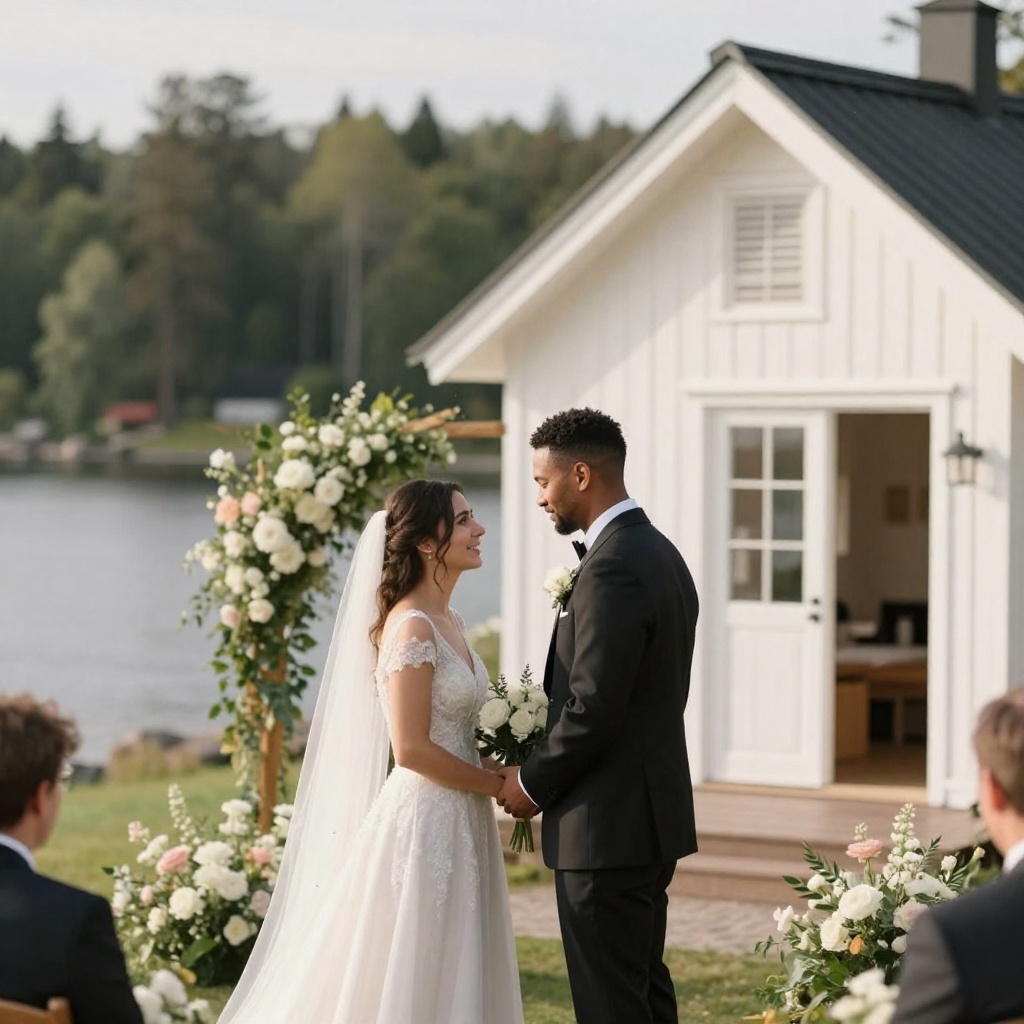
Your heart is racing, palms are slightly sweaty, and you're about to meet the most important people in your partner's life – their Swedish family. Whether it's fika at their childhood home or a traditional Swedish holiday gathering, making a great first impression matters. The good news? Swedes are famously welcoming, and with these essential phrases, you'll navigate introductions, conversations, and those special family moments with warmth and confidence.
Phrase to Learn
Nice to meet you
[ TREH-vleeht aht TREH-fahs ]
The perfect phrase for every introduction - use it when shaking hands or greeting anyone new
Before You Arrive: Swedish Family Culture
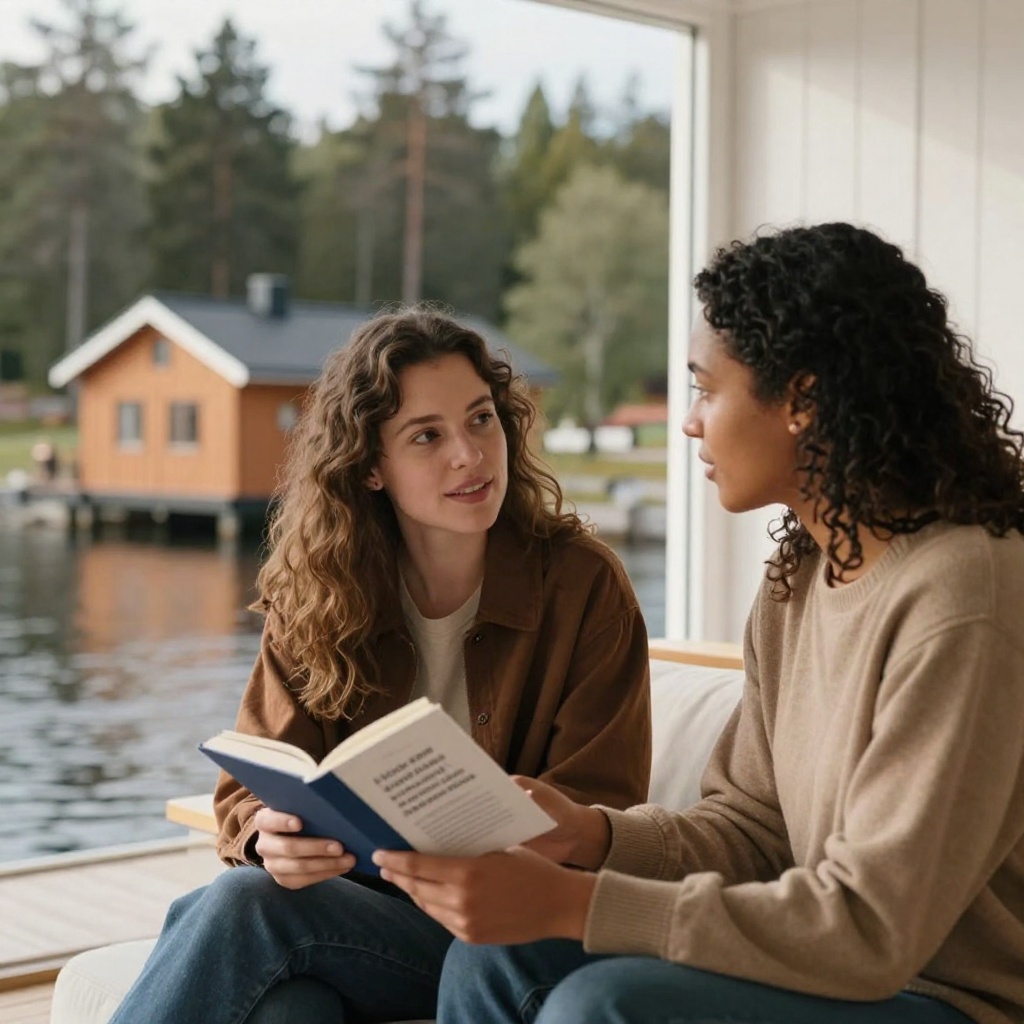
Swedish families value lagom (balance) and genuine connection over formalities. Your effort to speak Swedish, even imperfectly, will be deeply appreciated. Most Swedes speak excellent English, but showing respect by learning their language speaks volumes about your commitment to their child.
Swedish Family Etiquette
Always remove your shoes when entering a Swedish home - it's non-negotiable! Bring a small gift like flowers or chocolates for your partner's mother. Swedes value punctuality, so arrive exactly on time, not early or late.
Essential Introduction Phrases
Master these key phrases for smooth introductions:
| Swedish | Pronunciation | English | When to Use |
|---|---|---|---|
| Hej, jag heter... | hey, yahg HEH-tehr | Hello, my name is... | First meeting anyone |
| Det här är min partner | deh hahr ahr meen PAHR-tehnr | This is my partner | Your partner introducing you |
| Trevligt att träffas | TREH-vleeht aht TREH-fahs | Nice to meet you | Standard greeting |
| Hur mår du? | hoor MOHR doo | How are you? | After introductions |
| Jag talar lite svenska | yahg TAH-lahr LEE-teh SVAYN-skah | I speak a little Swedish | When they switch to English |
| Vad heter du? | vahd HEH-tehr doo | What's your name? | Asking names |
| Ursäkta, vad sa du? | oor-SEHK-tah, vahd sah doo | Sorry, what did you say? | When you didn't understand |
| Jag förstår inte | yahg FUR-stohr EEN-teh | I don't understand | When completely lost |
Meeting Different Family Members
Swedish families might include various relatives at gatherings. Here's how to address each:
Immediate Family
- Mamma (MAHM-mah) - Mom
- Pappa (PAHP-pah) - Dad
- Syster (SUS-tehr) - Sister
- Bror (BROHR) - Brother
Extended Family
- Farmor (FAHR-mohr) - Father's mother
- Farfar (FAHR-fahr) - Father's father
- Mormor (MOHR-mohr) - Mother's mother
- Morfar (MOHR-fahr) - Mother's father
- Moster (MOOS-tehr) - Aunt (mom's sister)
- Faster (FAHS-tehr) - Aunt (dad's sister)
- Morbror (MOHR-brohr) - Uncle (mom's brother)
- Farbror (FAHR-brohr) - Uncle (dad's brother)
Pronunciation: vahd YOH-bahr doo mehd
"Vad jobbar du med?"
Conversation Starters That Impress
Swedes appreciate genuine interest in their culture and family. Keep your questions light, specific, and easy to answer:
- Har du bott här länge? (hahr doo bott hehr LEHN-geh) - Have you lived here long?
- Vad jobbar du med? (vahd YOH-bahr doo mehd) - What do you do for work?
- Tycker du om att resa? (TYK-kehr doo om aht REH-sah) - Do you like to travel?
- Vad gör du på fritiden? (vahd yeur doo poh FREE-tee-dehn) - What do you do in your free time?
- Brukar ni fira högtider stort? (BROO-kahr nee FEE-rah HUHG-tee-dehr STOORT) - Do you usually celebrate holidays with a big gathering?
Try asking one question, then follow up with a short comment in Swedish, such as Jaha, vad intressant! (Oh, how interesting!). For romance-focused vocabulary, see our guide to saying I love you in Swedish.
The Sacred Swedish Fika
Fika (coffee break) is practically a national institution. When invited for fika, use these phrases:
| Swedish | Pronunciation | English |
|---|---|---|
| Tack för fikat | tahk fohr FEE-kah | Thanks for the fika |
| Vad gott! | vahd goht | How delicious! |
| Smakar bra | SMAH-kahr brah | Tastes good |
| Kan jag hjälpa till? | kahn yahg YEL-pah teel | Can I help? |
| Vad är det här? | vahd ahr deh hahr | What's this? |
Fika Etiquette
Always accept fika when offered - it's a social ritual! Take at least one of everything offered, and never refuse coffee unless you have a medical reason. Swedes typically have fika twice daily!
Complimenting the Family
Swedes are modest but appreciate sincere compliments. Keep them genuine and specific:
- Vilket fint hem! (VEEL-keht feent hehm) - What a nice home!
- Maten är jättegod (MAH-tehn ahr YEH-teh-goht) - The food is delicious
- Vad trevligt att vara här (vahd TREH-vleeht aht VAH-rah hahr) - How nice it is to be here
- Er familj är så välkomnande (ehr fah-MEEL ahr soh VEHL-kohm-nahn-deh) - Your family is so welcoming
For more ways to charm with Swedish, explore our romantic Swedish phrases for every occasion.
When Conversations Get Tricky
Sometimes family conversations can be challenging. Here are lifesavers:
Politely Changing Topics
- Det låter intressant (deh LOH-tehr een-TEH-reh-sahnt) - That sounds interesting
- Kan du berätta mer om...? (kahn doo beh-RAH-tah mehr ohm) - Can you tell me more about...?
Handling Sensitive Questions
- Det är en bra fråga (deh ahr ehn brah FROH-gah) - That's a good question
- Jag behöver tänka på det (yahg beh-HOH-dehr TEHN-kah poh deh) - I need to think about that
- Vad tycker [partner's name] om det? (vahd TUS-kehr [name] ohm deht) - What does [name] think about that?
Swedish Holiday Gatherings
If you're meeting the family during a Swedish holiday, these phrases are essential:
Christmas (Jul)
- God jul! (gohd yool) - Merry Christmas!
- Vad fint ni har pyntat (vahd feent nee hahr PUSN-taht) - How nicely you've decorated
Midsummer
- Glad midsommar! (glahd MEED-soh-mahr) - Happy Midsummer!
- Vad vackra blommor (vahd VAH-krah BLOHM-mohr) - What beautiful flowers
Easter (Påsk)
- Glad påsk! (glahd pohsk) - Happy Easter!
- Vilka fina påskägg (VEEL-kah FEE-nah POHSK-ehg) - What nice Easter eggs
Building Deeper Connections
As conversations deepen, show genuine interest in family stories and traditions:
- Vad kul! Berätta mer (vahd kool! beh-RAH-tah mehr) - How fun! Tell me more
- Har ni några familjetraditioner? (hahr nee NOH-grah fah-MEE-jeh-trah-dee-see-OH-nehr) - Do you have any family traditions?
- Vad gjorde ni när [partner's name] var liten? (vahd YOH-deh nee vahr [name] vahr LEE-tehn) - What did you do when [name] was little?
- Var växte [partner's name] upp? (vahr VEHK-seh [name] oop) - Where did [name] grow up?
Pronunciation: fah-MEE-jeh-trah-dee-see-OH-nehr
"Vilka fina familjetraditioner ni har!"
When It's Time to Leave
Make a graceful exit with these phrases:
| Swedish | Pronunciation | English |
|---|---|---|
| Tack så mycket för ikväll | tahk soh MEE-kah fohr eek-VEHL | Thanks so much for tonight |
| Det var jättetrevligt | deh vahr YEH-teh-TREH-vleeht | It was really nice |
| Vi ses snart igen | vee sehs snahrt EE-gehn | We'll see each other again soon |
| Tack för maten | tahk fohr MAH-tehn | Thanks for the food |
| Ha det så bra | hah deh soh brah | Have it so good (Goodbye) |
The Swedish Goodbye
Swedish goodbyes are often lengthy! Expect multiple rounds of "tack" (thanks) and well-wishes at the door. Don't rush this ritual - it's part of showing respect and appreciation.
Quick Reference: Top 10 Must-Know Phrases
Screenshot this for easy reference:
- Trevligt att träffas - Nice to meet you
- Jag heter... - My name is...
- Tack för maten - Thanks for the food
- Ursäkta - Excuse me/Sorry
- Jag talar lite svenska - I speak a little Swedish
- Vad gott! - How delicious!
- Kan jag hjälpa till? - Can I help?
- Har du bott här länge? - Have you lived here long?
- Vad jobbar du med? - What do you work with?
- Tack så mycket - Thank you so much
Meeting your partner's Swedish family is about more than perfect pronunciation - it's about showing genuine interest, respect for their culture, and your commitment to being part of their world. Swedes appreciate authenticity over perfection, so speak from your heart, even if your grammar isn't flawless.
Your effort to learn Swedish demonstrates something beautiful: your dedication to your partner and their heritage. That matters more than any perfectly conjugated verb ever could.
Ready to practice these phrases with your partner? Start with simple introductions, then gradually add more complex conversations. Remember, every Swedish family is unique, but these phrases will help you navigate most situations with warmth and confidence.
Ready to learn together?
Speak their language, touch their heart. Fun games, voice practice & goals made for two.
Start Learning for $0.00 →✨ Try free — no credit card needed
Frequently Asked Questions
How can I gracefully navigate political discussions with my partner's Swedish family?
Avoid heated debates, especially during festive occasions. If the topic arises, listen respectfully and share your perspective calmly. You can steer the conversation towards common interests like travel or hobbies. As a couple, decide on a strategy beforehand to support each other if the discussion becomes uncomfortable.
What are some appropriate gifts to bring when meeting my partner's Swedish family for the first time?
Flowers, a nice bottle of wine, or a small, thoughtful gift from your home country are all good options. Avoid overly extravagant gifts, as simplicity and thoughtfulness are valued. If you know their preferences (e.g., a specific type of tea or chocolate), that's even better. Couples can brainstorm gift ideas together that reflect both of their backgrounds.
How do I address different family members in Swedish to show respect?
Use formal titles like 'Herr' (Mr.) and 'Fru' (Mrs.) when addressing older relatives until they invite you to use their first names. For younger family members, using first names is generally acceptable. Listen to how your partner addresses their family and follow their lead. Practicing these greetings together beforehand can boost your confidence.
What if I don't understand something someone says in Swedish during a family gathering?
Don't be afraid to politely ask them to repeat themselves or speak more slowly. You can say 'Ursäkta, jag förstår inte. Kan du vara snäll och upprepa?' (Excuse me, I don't understand. Could you please repeat that?). Your partner can also help translate or clarify if needed. It's a great opportunity for them to show support and bridge the language gap.
How can my partner and I prepare for common Swedish customs like taking off our shoes indoors?
Discuss typical Swedish customs with your partner beforehand so you both know what to expect. This includes things like removing shoes indoors, being punctual, and respecting personal space. Understanding these customs will help you feel more comfortable and avoid unintentional faux pas. Role-playing common scenarios can also be a fun way to prepare.