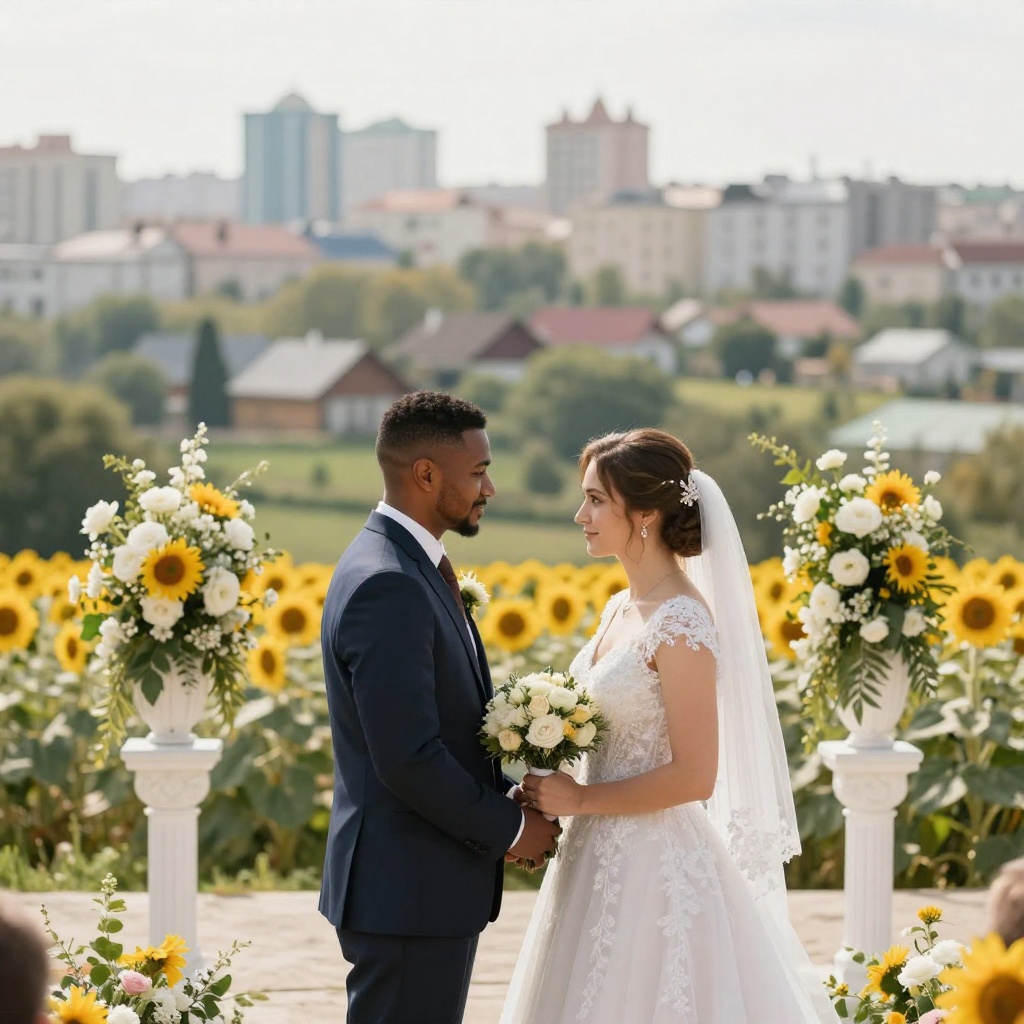
Meeting Your Ukrainian Partner's Family: Essential Phrases to Win Their Hearts
Navigate meeting your Ukrainian partner's family with confidence. Learn essential greetings, compliments, and cultural etiquette for this special moment.
Серце б’ється швидше, долоні вологі, і ви вже за кілька хвилин зустрінете найважливіших людей у житті вашого партнера. Перша зустріч з українською родиною може хвилювати, але кілька правильних фраз одразу змінюють атмосферу: замість ніяковості з’являються тепло, повага і справжній контакт. Нижче ви знайдете не просто слова, а готові мовні опори для знайомства, компліментів, вечері та невеликої розмови.
Key Phrase
Nice to meet you
[ DOO-zheh pri-YEM-noh ]
Say this when you are introduced to each family member. Short, polite, and unhurried.
Перед Візитом: Що Варто Підготувати
В українських сім’ях дуже цінують щирість, увагу до деталей і повагу до дому. Не потрібно говорити ідеально. Куди важливіше показати, що ви намагаєтесь. Перед візитом потренуйте 5–6 фраз уголос, особливо привітання та подяку. Якщо можете, попросіть партнера послухати вашу вимову й підказати, де поставити наголос.
Don't Arrive Empty-Handed
A small gift is not a formality — it is a sign of care. Safe choices include flowers, a box of chocolates, or a good bottle of wine. If you bring flowers, choose an odd number. Avoid yellow flowers: in everyday culture, they can be associated with separation.
First Impressions: Greetings That Actually Work
The first few seconds set the tone for the entire evening. Smile, take your time, and greet people clearly. Starting with a formal approach is almost always safer than being too casual.
| Українською | Вимова | English | Коли вживати |
|---|---|---|---|
| Добрий день | DOH-brihy den' | Good afternoon / hello | Універсальне формальне вітання вдень |
| Добрий ранок | DOH-brihy RAH-nohk | Good morning | До обіду або вранці |
| Добрий вечір | DOH-brihy VEH-cheer | Good evening | Після вечора або на вечері |
| Привіт | prih-VEET | Hi / hello | Неофіційно, краще для молодших або після переходу на «ти» |
| Як справи? | yahk SPRAH-vih | How are you? | Короткий дружній початок розмови |
| Дякую, добре | DYAH-koo-yoo, DOH-breh | Thank you, I’m fine | Проста ввічлива відповідь |
Представлення: Як Сказати Про Себе Впевнено
Ваше самопредставлення має бути коротким і теплим: хто ви, звідки ви, і чому вам приємно бути тут. Не намагайтеся виглядати “надто українським” — достатньо щирості й кількох правильних фраз.
Pronunciation: meh-NEH zwah-TEE
"Мене звати Аліна. Я з Канади." — “My name is Alina. I’m from Canada.”
Повний варіант:
«Мене звати [Ваше ім’я]. Я з [ваша країна]. Дуже рада/радий познайомитися з вашою родиною.»
[meh-NEH zwah-TEE]. [DOO-zheh RAH-dah / RAH-dih pohz-nah-YOH-mih-tee-sya z vah-SHO-yoo roh-DEE-no-yoo].
“I’m [Name]. I’m from [Country]. I’m very pleased to meet your family.”
Якщо хочете додати ще одну теплу фразу, скажіть: «Мені дуже приємно бути тут» — “I’m very glad to be here.” Це звучить природно й не надто формально.
Компліменти, Які Підіймають Настрій
У щирих компліментах немає нічого “зайвого”, якщо вони конкретні. Хваліть дім, страви, гостинність або те, як гарно сервіровано стіл. Краще один точний комплімент, ніж три загальні.
| Ukrainian | Pronunciation | English | Nuance |
|---|---|---|---|
| У вас дуже гарний дім | oo vahs DOO-zheh HAR-nih deem | You have a beautiful home | A safe and appropriate compliment when you arrive |
| У вас дуже затишно | oo vahs DOO-zheh ZAH-tysh-no | It feels very cozy here | Works well in an apartment or a house |
| Це дуже смачно! | tseh DOO-zheh SMAHCH-no | This is very delicious! | Best used during or after a meal |
| Ваша донька чудова | VAH-shah DOHN-kah choo-DOH-vah | Your daughter is wonderful | Only if it fits naturally in the conversation |
| У вас чудова родина | oo vahs choo-DOH-vah roh-DEE-nah | You have a wonderful family | A warm and universally appropriate compliment |
How to Accept a Compliment
If someone praises you or your language skills, do not rush to dismiss it. The most natural response is «Дякую» ("Thank you") or «Дякую, мені приємно» ("Thank you, that's nice to hear"). It sounds modest and polite.
At the Table: Mealtime Phrases
For many Ukrainian families, sharing a meal is not just dinner — it is a way to show care. If you say a few food-related phrases, people notice immediately and appreciate it. Do not be afraid to repeat simple sentences.
Before the meal:
- Смачного! (SMAHCH-noh-hoh) — «Смачного!» / “Enjoy your meal!”
- Дякую, приємного апетиту (DYAH-koo-yoo, pri-YEM-no-ho ah-peh-TEE-too) — “Thank you, enjoy your meal.”
During dinner:
- Це дуже смачно (tseh DOO-zheh SMAHCH-no) — “This is very tasty.”
- Можна ще? (MOHZH-nah shcheh) — “May I have more?”
- Я вже ситий / Я вже сита (yah vzheh SEE-tee / SEE-tah) — “I’m full.”
After dinner:
- Дякую за смачну вечерю (DYAH-koo-yoo zah smahch-NOO VEH-cheh-ryoo) — “Thank you for the delicious dinner.”
- Було дуже смачно (BOO-lo DOO-zheh SMAHCH-no) — “It was very tasty.”
Розмова: Як Показати Щирий Інтерес
Найкраща розмова з родиною партнера — не про те, щоб вразити всіх складними реченнями. Краще ставити прості, уважні запитання й слухати відповіді. Так ви покажете, що вам справді цікаві їхня історія, звички та родинні зв’язки.
Pronunciation: rohs-KAH-zhiht proh
"Розкажіть про [ім’я] в дитинстві." — “Tell me about [name] as a child.”
Корисні запитання:
- Де ви познайомились? (deh vih pohz-nah-YOH-my-lys) — “Where did you meet?”
- Яким був/була [ім’я] у дитинстві? (ya-KYM boov/boo-lah … oo dee-tynst-VI) — “What was [name] like as a child?”
- Чим ви займаєтесь? (chym vih zay-MAH-yetess) — “What do you do?”
- У вас є домашні тварини? (oo vahs ye doh-MAHSH-ni tva-REE-ni) — “Do you have pets?”
Якщо відповіді довгі, не панікуйте. Просто кивайте, усміхайтесь і додавайте коротке «О, цікаво» — “Oh, interesting.” Це дає співрозмовнику відчуття, що його справді слухають.
Respect: Formal and Informal Address
When meeting your partner's family, it is better to start with a more formal style. In Ukrainian, this is especially important: the form of address often signals respect, not distance.
Formal (for parents, elders, unfamiliar adults):
- Ви (vih) — formal “you”
- Пане [ім’я] (PAH-neh) — “Mr. [name]”
- Пані [ім’я] (PAH-ni) — “Mrs./Ms. [name]”
Informal (for younger relatives, or if you are invited to switch to "ти"):
- Ти (tih) — informal “you”
- Привіт (prih-VEET) — “hi”
When to Switch to "ти"
Do not suggest it yourself if you are unsure. Wait until the older person or the hosts suggest a more informal form of address. This looks natural and respectful.
Якщо Щось Піде Не Так
Навіть якщо ви добре підготувалися, щось може почутися не так або вилетіти з голови. Це нормально. Ключ не в безпомилковості, а в тому, щоб м’яко перепитати й не втрачати впевненості.
| Українською | Вимова | English |
|---|---|---|
| Вибачте, я не розумію | vy-BAHCH-teh, ya neh ro-zoo-MEE-yu | Sorry, I don’t understand |
| Можете повторити? | MOH-zhe-teh pov-to-RY-ty? | Can you repeat? |
| Говоріть повільніше, будь ласка | ho-vo-RIT poh-VIL-ni-she, bood LAHS-kah | Please speak slower |
| Мій український ще не дуже добрий | miy oo-krah-YEEN-skyy shcheh neh DOO-zhe DOH-bryy | My Ukrainian isn’t very good yet |
| [ім’я], допоможи мені | [name], do-po-MOH-zhy meh-NI | [Name], help me |
Окрема корисна фраза — «Я ще вчу українську» (“I’m still learning Ukrainian”). Вона коротка, чесна і дуже добре працює, коли хочете зняти напругу.
Члени Родини: Хто Є Хто
Ці слова допоможуть вам орієнтуватися в сімейних розмовах і краще запам’ятовувати, про кого саме йдеться. Не обов’язково знати все одразу, але кілька базових назв дуже корисні.
- Бабуся (BAH-boo-sya) — grandma
- Дідусь (dee-DOOS') — grandpa
- Мама (MAH-mah) — mom
- Тато (TAH-toh) — dad
- Сестра (ses-TRAH) — sister
- Брат (braht) — brother
- Тітка (TEET-kah) — aunt
- Дядько (DYAHD-koh) — uncle
- Кузен / кузина (koo-ZEN / koo-ZEE-nah) — cousin
Якщо ви не впевнені, хто саме перед вами, краще просто звернутися на «Ви» і почекати, поки вам підкажуть ім’я та родинний зв’язок. Це природніше, ніж робити здогадки.
Поради для Успіху
- Починайте з простого: достатньо трьох фраз — привітання, подяки та одного компліменту.
- Тостуйте обережно: «Будьмо!» (bood-MOH) означає “Cheers!” і часто звучить у сімейних застіллях.
- Беріть їжу потроху: краще покласти маленьку порцію, а потім попросити ще, ніж одразу відмовлятися.
- Питайте про традиції: «А як у вас це святкують?» — чудове запитання, якщо хочете підтримати розмову.
- Хваліть партнера щиро: коротке «Він/вона у вас дуже добра» звучить тепло й доречно.
- Не поспішайте бути “своїм”: повага важливіша за фамільярність.
- Повторюйте вголос: вимова стане природнішою, якщо кілька разів проговорити фрази перед візитом.
Quick Reference Card
Save this short list before the meeting:
- Дуже приємно (DOO-zheh pri-YEM-noh) — Nice to meet you
- Дякую (DYAH-koo-yoo) — Thank you
- У вас дуже гарний дім (oo vahs DOO-zheh HAR-nih deem) — You have a beautiful home
- Це дуже смачно (tseh DOO-zheh SMAHCH-no) — This is very tasty
- Вибачте (vy-BAHCH-teh) — Excuse me / sorry
- Як справи? (yahk SPRAH-vih) — How are you?
- Смачного! (SMAHCH-noh-hoh) — Enjoy your meal!
- Можна ще? (MOHZH-nah shcheh) — May I have more?
- Розкажіть про [ім’я] (rohs-KAH-zhiht pro [name]) — Tell me about [name]
- Дякую за гостинність (DYAH-koo-yoo zah hoh-STEEN-nist') — Thank you for your hospitality
Зустріч із родиною партнера — це не тест, а шанс показати повагу, цікавість і теплоту. Навіть якщо ваша українська поки що проста, щире «Дякую», уважний погляд і кілька добре вибраних фраз уже роблять дуже багато. Саме такі маленькі моменти часто запам’ятовуються надовго.
Потренуйте ці фрази з партнером перед зустріччю. Так ви почуватиметеся спокійніше, а розмова піде природніше з першої хвилини.
Ready to learn together?
Speak their language, touch their heart. Fun games, voice practice & goals made for two.
Start Learning for $0.00 →✨ Try free — no credit card needed
Frequently Asked Questions
What are some appropriate gifts to bring when meeting my Ukrainian partner's family?
Bringing a small gift is a thoughtful gesture. Flowers (an odd number is customary), chocolates, a bottle of wine, or a small souvenir from your home country are all good options. Avoid giving yellow flowers, as they symbolize infidelity in Ukrainian culture. If you know the family well, consider bringing a gift specific to their interests, such as a book or a type of tea they enjoy. Couples can discuss this beforehand to choose a gift that reflects both of their cultures.
How can I handle it if I accidentally mispronounce a Ukrainian word in front of my partner's family?
Don't panic! Acknowledge the mistake with a smile and a lighthearted apology. You could say, "Вибачте, мій український ще не ідеальний" (Sorry, my Ukrainian isn't perfect yet). Your effort to speak their language will be appreciated more than perfect pronunciation. Your partner can gently correct you, and you can both laugh it off. The key is to show that you're trying and that you're not afraid to make mistakes.
Are there any topics I should avoid discussing when meeting my Ukrainian partner's family for the first time?
It's generally best to avoid sensitive or controversial topics, such as politics, religion, or personal finances, especially during the initial meeting. Focus on getting to know the family, expressing your interest in Ukrainian culture, and sharing positive stories about your relationship with your partner. Asking about family traditions, hobbies, or travel experiences are safe and engaging conversation starters. Couples can prepare together by identifying potential topics to avoid and brainstorming alternative conversation paths.
What's the best way to show respect for my partner's grandparents when meeting them?
Showing respect for elders is highly valued in Ukrainian culture. Use formal greetings like "Добрий день" (Good day) followed by their name and patronymic (middle name derived from their father's name). Offer help with tasks, listen attentively to their stories, and avoid interrupting them. A small, thoughtful gift specifically for the grandparents, such as a box of chocolates or a handcrafted item, can also be a nice gesture. Practice these greetings with your partner beforehand.
How can my partner and I navigate differing communication styles with their family?
Communication styles vary across cultures. Ukrainians may be more direct or indirect than you're used to. Discuss these potential differences with your partner beforehand. If you feel confused or uncomfortable during a conversation, ask your partner for clarification privately. They can help you understand the nuances of the communication style and provide context. Remember that open communication and a willingness to learn are key to navigating these differences successfully as a couple.