How to Propose in Spanish: Proposal and Engagement Phrases
How to propose in Spanish: ¿Quieres casarte conmigo? with pronunciation, ring words, asking the parents, and how to announce your engagement.
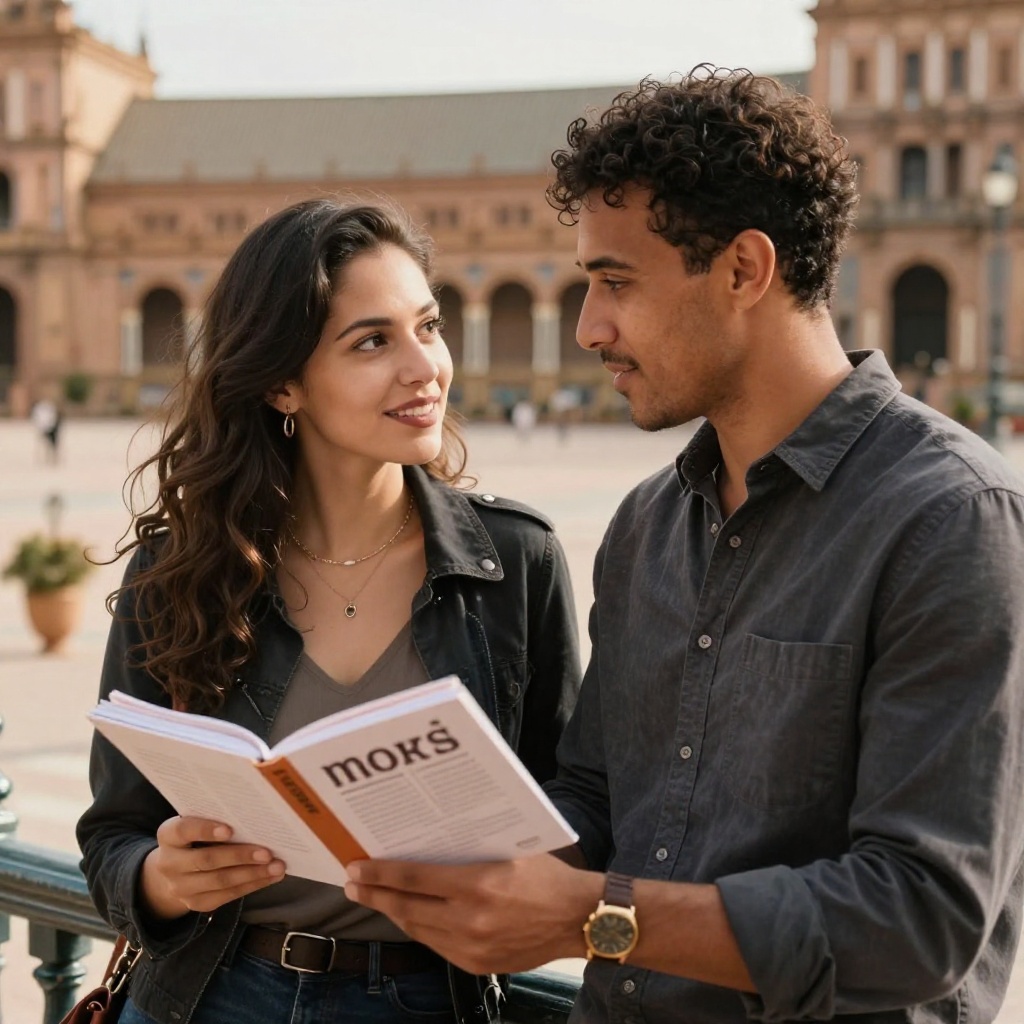
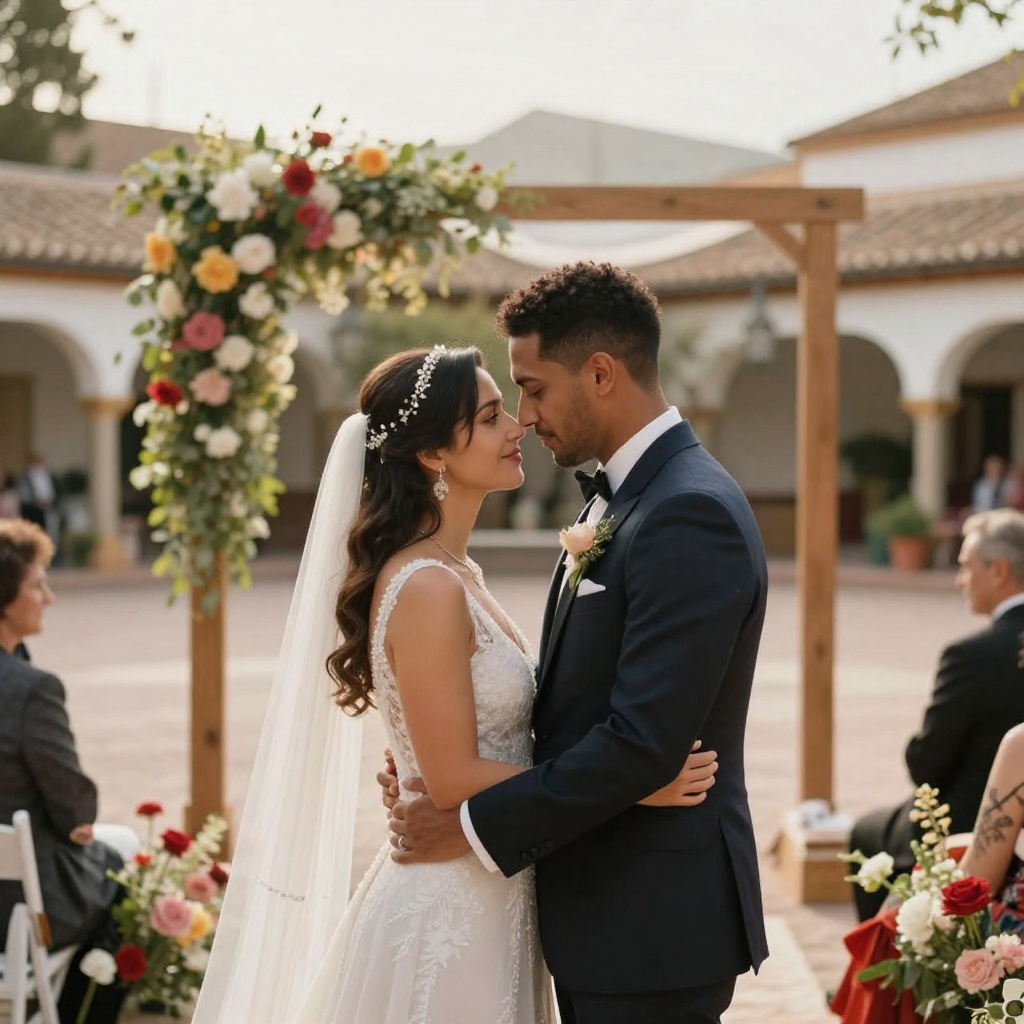
To propose in Spanish, ask ¿Quieres casarte conmigo? (KYEH-rehs kah-SAR-teh kohn-MEE-goh), "Will you marry me?". People say it in Spain and across Latin America, and it works whether you're asking a man or a woman. Below you'll find a few warmer ways to lead up to the question, how to say it so it sounds natural, the grammar trap most English speakers fall into, and the phrases for afterwards: the first call home, introducing your prometido or prometida, and talking about the ring.
For softer, everyday romantic language, see our guide to Spanish pet names and terms of endearment.
Phrase to Learn
¿Quieres casarte conmigo?
Will you marry me?
[ KYEH-rehs kah-SAR-teh kohn-MEE-goh ]
The standard proposal question everywhere Spanish is spoken. You use tú, because you're asking the person closest to you.
How to Say "Will You Marry Me?" in Spanish
The classic proposal
¿Quieres casarte conmigo? literally means "Do you want to marry yourself with me?". Spanish treats marrying as something you do with someone: casarse con alguien. That's why English "marry me" becomes casarte conmigo.
A word-order variant is just as common, and some people find it a little softer:
- ¿Te quieres casar conmigo? (teh KYEH-rehs kah-SAR kohn-MEE-goh)
The two mean exactly the same thing. Choose the one that's easier for you to say when you're nervous.
Getting the sounds right
- quieres: qu is a plain "k". The ie glides like the "ye" in "yes": KYEH-rehs.
- casarte: the single r is one quick tap of the tongue, like the "tt" in American "butter". Don't use the English "r" you'd say in "car".
- conmigo: the g between two vowels is soft, almost swallowed. Keep the o short and pure, "goh", not the English "go-w".
- Keep your vowels short and steady. Spanish e is "eh", never the "ay" of "say".
Romantic ways to build up to the question
| Spanish | Pronunciation | Meaning |
|---|---|---|
| Eres el amor de mi vida. | EH-rehs ehl ah-MOR deh mee BEE-dah | You are the love of my life. |
| Quiero estar contigo para siempre. | KYEH-roh ehs-TAR kohn-TEE-goh PAH-rah SYEHM-preh | I want to be with you forever. |
| Quiero pasar el resto de mi vida contigo. | KYEH-roh pah-SAR ehl REHS-toh deh mee BEE-dah kohn-TEE-goh | I want to spend the rest of my life with you. |
| ¿Quieres ser mi esposa? / ¿Quieres ser mi esposo? | KYEH-rehs sehr mee ehs-POH-sah / ehs-POH-soh | Will you be my wife? / Will you be my husband? |
| ¿Me harías el hombre más feliz del mundo? | meh ah-REE-ahs ehl OHM-breh mahs feh-LEES dehl MOON-doh | Would you make me the happiest man in the world? |
| ¿Me harías la mujer más feliz del mundo? | meh ah-REE-ahs lah moo-HEHR mahs feh-LEES dehl MOON-doh | Would you make me the happiest woman in the world? |
The h in harías and hombre is silent. In mujer, the j is a breathy, throaty sound, like the "ch" in Scottish "loch".
A simple structure works well: one or two sentences from the table, your partner's name, then the question. Keep it short. A short speech you can say with feeling sounds better than a long one you have to read off your phone.
Pronunciation: peh-DEER mah-tree-MOH-nyoh
"Le pedí matrimonio en la playa donde nos conocimos."
Common Mistakes English Speakers Make
- "¿Quieres casarme?" Without the reflexive and con, casar a alguien means to marry someone off, which is what a priest or a parent does. You want casar*te conmigo*.
- "con mí". With con, "me" becomes conmigo and "you" becomes contigo. You can't split them up.
- "Le propuse." On its own, proponer means "to suggest". To say "I proposed", use Le pedí matrimonio or Le propuse matrimonio.
- "¡Dijo sí!" Spanish adds que: ¡Dijo que sí! ("She/He said yes!"). The accent on sí matters too. Without it, si means "if".
- Forgetting agreement. One man is prometido or comprometido. One woman is prometida or comprometida. A man and a woman together, or two men, are comprometidos, and two women are comprometidas.
- Using "engaged" for everything. Comprometido means engaged to be married, and it can also mean "committed". A phone line or person that's "engaged" (busy) is ocupado.
The Proposal Vocabulary
| Spanish | Pronunciation | English | Notes |
|---|---|---|---|
| la propuesta de matrimonio | lah proh-PWEHS-tah deh mah-tree-MOH-nyoh | marriage proposal | Propuesta alone just means "proposal" or "suggestion". |
| el compromiso | ehl kohm-proh-MEE-soh | engagement | Also means "commitment". |
| estar comprometido/a | ehs-TAR kohm-proh-meh-TEE-doh/dah | to be engaged | Uses estar, not ser. |
| el prometido / la prometida | proh-meh-TEE-doh / proh-meh-TEE-dah | fiancé / fiancée | Literally "the promised one". |
| el novio / la novia | NOH-byoh / NOH-byah | boyfriend, girlfriend; also groom, bride | Context tells you which. Some speakers also use it for a fiancé(e). |
| arrodillarse / ponerse de rodillas | ah-rroh-dee-YAR-seh / poh-NEHR-seh deh rroh-DEE-yahs | to kneel / get down on one knee | Roll the rr. In Mexico you'll also hear hincarse. |
| la sorpresa | lah sohr-PREH-sah | surprise | |
| para siempre | PAH-rah SYEHM-preh | forever |
In prometido, the d between vowels is soft, close to the "th" in "this". If you say it like an English "d", you'll be understood, but the softer sound is more natural.
Pronunciation: kohm-proh-meh-TEE-doh / kohm-proh-meh-TEE-dah
"¡Estamos comprometidos!"
Asking the Parents
Some Spanish-speaking families still value being asked for their blessing before a proposal. Others will find it old-fashioned, so check with your partner's siblings or close friends first. If you do it, use the formal usted or ustedes: Me gustaría pedirles la mano de su hija (meh goos-tah-REE-ah peh-DEER-lehs lah MAH-noh deh soo EE-hah), "I'd like to ask for your daughter's hand". In Spain and parts of Latin America, la pedida de mano, often just la pedida, can also be a family gathering after the proposal. In Spain the couple traditionally exchange gifts there, often a ring for her and a watch for him.
A Short Dialogue: Right After the Question
Alex is learning Spanish. Lucía is a native speaker.
| Speaker | Spanish | English |
|---|---|---|
| Alex | Lucía, eres el amor de mi vida. ¿Quieres casarte conmigo? | Lucía, you're the love of my life. Will you marry me? |
| Lucía | ¡Ay, Dios mío! ¡Sí! ¡Claro que sí! | Oh my God! Yes! Of course! |
| Alex | ¿De verdad? | Really? |
| Lucía | ¡De verdad! No me lo puedo creer… ¡Estoy temblando! | Really! I can't believe it... I'm shaking! |
| Alex | ¿Te gusta el anillo? | Do you like the ring? |
| Lucía | ¡Es precioso! ¿Llamamos a mi madre? | It's beautiful! Shall we call my mum? |
| Alex | Sí, pero se lo digo yo: «¡Estamos comprometidos!» | Yes, but I'll be the one to tell her: "We're engaged!" |
After They Say Yes
| Moment | What to say | Pronunciation | Meaning |
|---|---|---|---|
| Right after | ¡Te quiero muchísimo! | teh KYEH-roh moo-CHEE-see-moh | I love you so much! |
| Still in shock | ¡No me lo puedo creer! | noh meh loh PWEH-doh kreh-EHR | I can't believe it! |
| Their answer | ¡Dijiste que sí! | dee-HEES-teh keh SEE | You said yes! |
| First call | ¡Estamos comprometidos! | ehs-TAH-mohs kohm-proh-meh-TEE-dohs | We're engaged! |
| Introducing them | Te presento a mi prometido / mi prometida. | teh preh-SEHN-toh ah mee proh-meh-TEE-doh/dah | Let me introduce my fiancé / fiancée. |
For more ways to express your love, explore our how to say I love you in Spanish guide.
Announcing Your Engagement
To family
- ¡Tenemos una noticia! (teh-NEH-mohs OO-nah noh-TEE-syah): "We have some news!" Spanish often says una noticia (one piece of news), where English says "some news".
- ¡Nos vamos a casar! (nohs BAH-mohs ah kah-SAR): "We're getting married!"
- ¡Estamos comprometidos!: "We're engaged!"
To grandparents or older relatives you'd normally call usted, try Queremos contarles algo (keh-REH-mohs kohn-TAR-lehs AHL-goh), "We want to tell you something". In Spain, if it's a group you'd each call tú, use the vosotros form instead: Queremos contaros algo.
To friends
- ¡Adivina qué! (ah-dee-BEE-nah KEH): "Guess what!" Adivina is a command, so this isn't a question and doesn't take ¿?
- ¡Me pidió matrimonio! (meh pee-DYOH mah-tree-MOH-nyoh): "He/She proposed to me!"
- ¡Mira mi anillo! (MEE-rah mee ah-NEE-yoh): "Look at my ring!"
On social media
- ¡Dijo que sí!: "She/He said yes!"
- ¡Le dije que sí!: "I said yes!"
- Comprometida con el amor de mi vida.: "Engaged to the love of my life." Use Comprometido if you're a man.
Engagement Parties
Some families hold a fiesta de compromiso (engagement party) or a family dinner so both families can meet before the wedding. How formal it is depends on the country and the family. Ask your partner what their family expects, and you'll know whether you'll be giving a toast in Spanish.
Ring Vocabulary
| Spanish | Pronunciation | English | Notes |
|---|---|---|---|
| el anillo de compromiso | ehl ah-NEE-yoh deh kohm-proh-MEE-soh | engagement ring | Understood everywhere. |
| el anillo de pedida | ehl ah-NEE-yoh deh peh-DEE-dah | engagement ring | Common in Spain. |
| la alianza | lah ah-LYAHN-sah | wedding band | Spain. Most Spaniards say the z like "th": ah-LYAHN-thah. |
| la argolla | lah ar-GOH-yah | wedding band | Used in several Latin American countries, including Mexico, Chile and Peru. |
| el diamante | ehl dyah-MAHN-teh | diamond | |
| el oro / el oro blanco | ehl OH-roh / ehl OH-roh BLAHN-koh | gold / white gold | |
| la talla | lah TAH-yah | (ring) size | ¿Qué talla de anillo usas? "What ring size are you?" |
| le queda bien / grande | leh KEH-dah byehn / GRAHN-deh | it fits / it's too big | Le queda un poco grande. "It's a bit big on her/him." |
In anillo, the ll sounds like the English "y" for most speakers. In Argentina and Uruguay it sounds closer to "sh": ah-NEE-shoh.
The hand can differ from what you're used to. In Spain, the wedding band is traditionally worn on the right hand. In Latin America, customs vary by country and family, and the engagement ring and the wedding band don't always go on the same hand. Your partner, or their family, will know.
Pronunciation: hoh-yeh-REE-ah
"Fui a la joyería a recoger el anillo."
Preparing Your Proposal
Practice tips
- Record yourself saying the question and your one or two lead-up sentences, then compare with the respellings above.
- Practise with your partner's name. Spanish speakers often say a name with the stress in a different place from English, so check how the family says it.
- Learn the question until you know it by heart. Nerves make people rush, and saying it slowly sounds sincere.
- Prepare for emotion. If your voice breaks, Dame un segundo (DAH-meh oon seh-GOON-doh), "Give me a second", gives you a pause.
If the proposal is a surprise, rehearse the question on your own. You can practise everything else in this guide together without giving anything away.
Setting the scene
- A place that means something to you both
- El anillo somewhere you can reach easily
- Someone to take photos without being seen, if you want photos
A 5-Minute Practice Activity
Set a timer for five minutes and role-play the phone call home.
- Minute 1–2: The Spanish-speaking partner plays a grandparent. The learner phones and announces the news formally: Queremos contarles algo… ¡Nos vamos a casar!
- Minute 3–4: The same partner now plays a best friend. The learner announces it casually: ¡Adivina qué! ¡Estamos comprometidos! The friend asks ¿Cómo fue? ("How did it happen?"), and the learner answers in one sentence: Me arrodillé en… ("I got down on one knee in...").
- Minute 5: Swap roles. The native speaker shows how they'd really say it, and the learner copies one phrase that sounded different.
Quick Reference
| Purpose | Phrase |
|---|---|
| Propose | ¿Quieres casarte conmigo? |
| React to yes | ¡Dijiste que sí! |
| Say you proposed | Le pedí matrimonio. |
| Announce | ¡Estamos comprometidos! / ¡Nos vamos a casar! |
| Introduce | Te presento a mi prometido / mi prometida. |
Practise it together
Today, act out the dialogue above twice: once as written, and once with your own real details. Name the place you'd choose and swap in the people you'd actually call first. Then each of you says ¡Estamos comprometidos! in the voice you'd use for a grandparent and for a best friend. Love in more than one language? Love Languages helps couples grow closer through each other's language, with fun games, conversation coaching and 114 languages for every kind of international romance.
Related Articles
Love Languages
Start learning together
Practice with your partner, celebrate progress together, and turn today's lesson into something you share.
Start together7 days free · Cancel anytime
Frequently Asked Questions
How do I congratulate a Spanish-speaking couple who just got engaged?
Say ¡Felicidades! (feh-lee-see-DAH-dehs), which works everywhere. In Spain, ¡Enhorabuena! (eh-noh-rah-BWEH-nah) is very common. Natural follow-up questions are ¿Cómo te lo pidió? (How did he/she propose?), ¿Ya tienen fecha? (Have you set a date?) and ¿Para cuándo es la boda? (When's the wedding?). In Spain, say ¿Ya tenéis fecha? to the couple.
Should I say te quiero or te amo when I propose?
Both are right, and the choice depends on where your partner is from. In Spain, te quiero is the everyday way to say I love you, even in a deep relationship, and te amo can sound poetic or dramatic. In much of Latin America, te amo is the usual phrase for a romantic partner and feels more serious than te quiero. If you're not sure, ask your partner which one they say at home.
If compromiso means engagement, why do Spanish speakers say 'tengo un compromiso'?
Compromiso also means a prior commitment or obligation, so tengo un compromiso usually means I have something on, or I can't make it. Context makes the meaning clear: mi compromiso con Lucía is my engagement to Lucía, while no puedo, tengo un compromiso is just an excuse. The English verb to compromise is ceder or llegar a un acuerdo. Compromiso only means a compromise in set phrases like solución de compromiso.
What does my partner say if they want to accept in a slightly formal or playful way?
Short answers are the most natural: ¡Sí!, ¡Claro que sí! or ¡Sí, quiero! Sí, quiero (Yes, I do) is also the vow at many weddings in Spain, so saying it at the proposal is a little playful. In much of Latin America, Sí, acepto is common at the ceremony. Avoid replying with just Acepto at the proposal, because it can sound like accepting a contract.